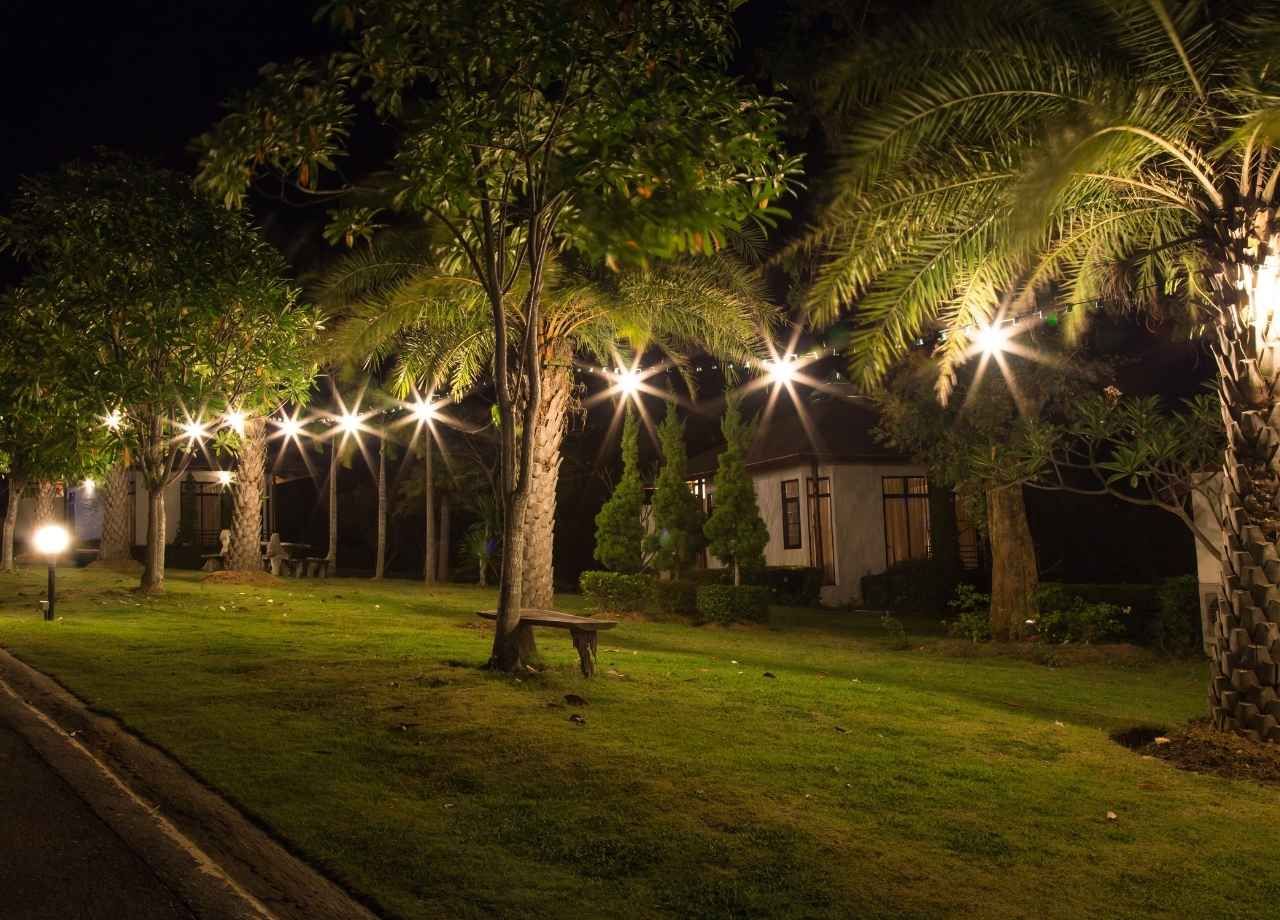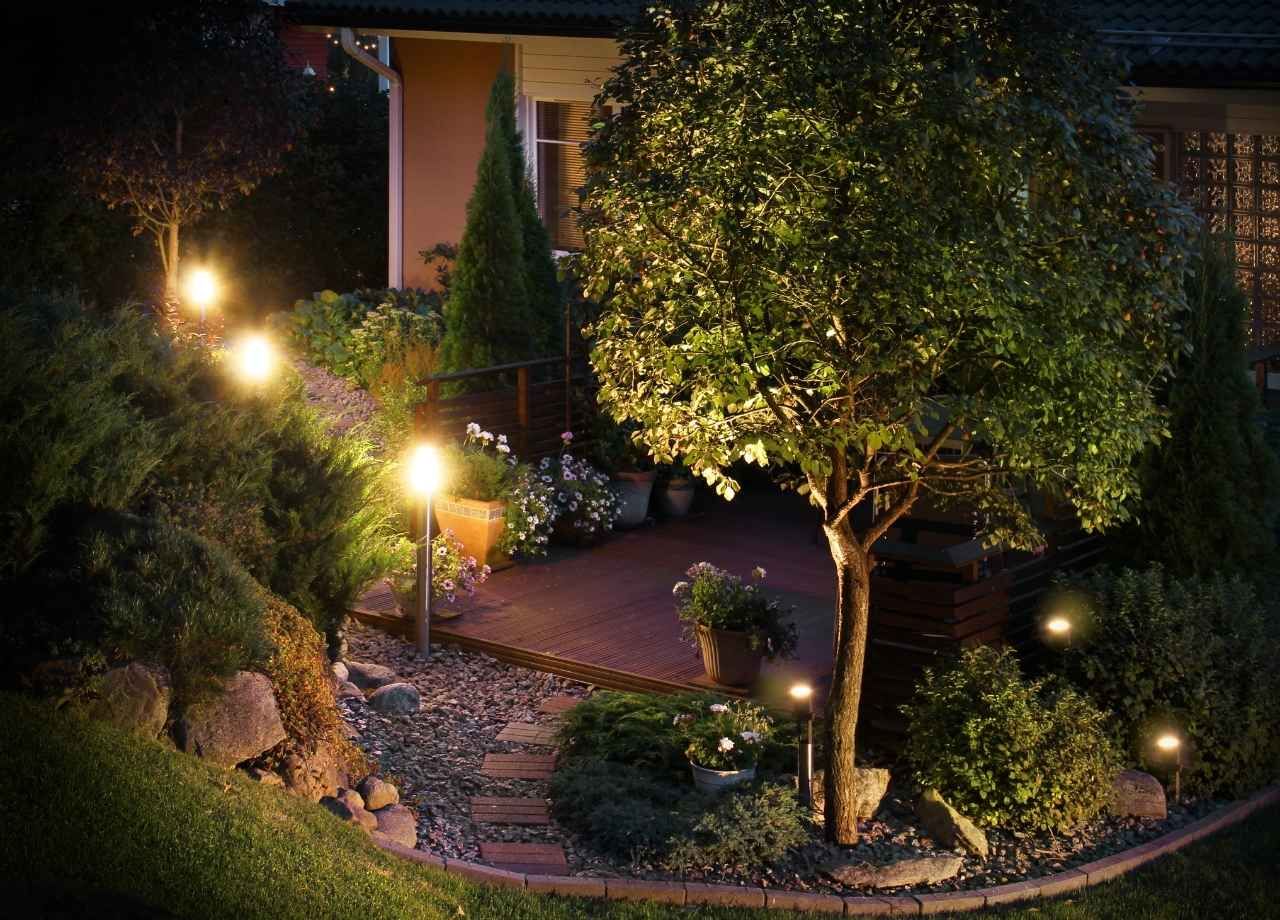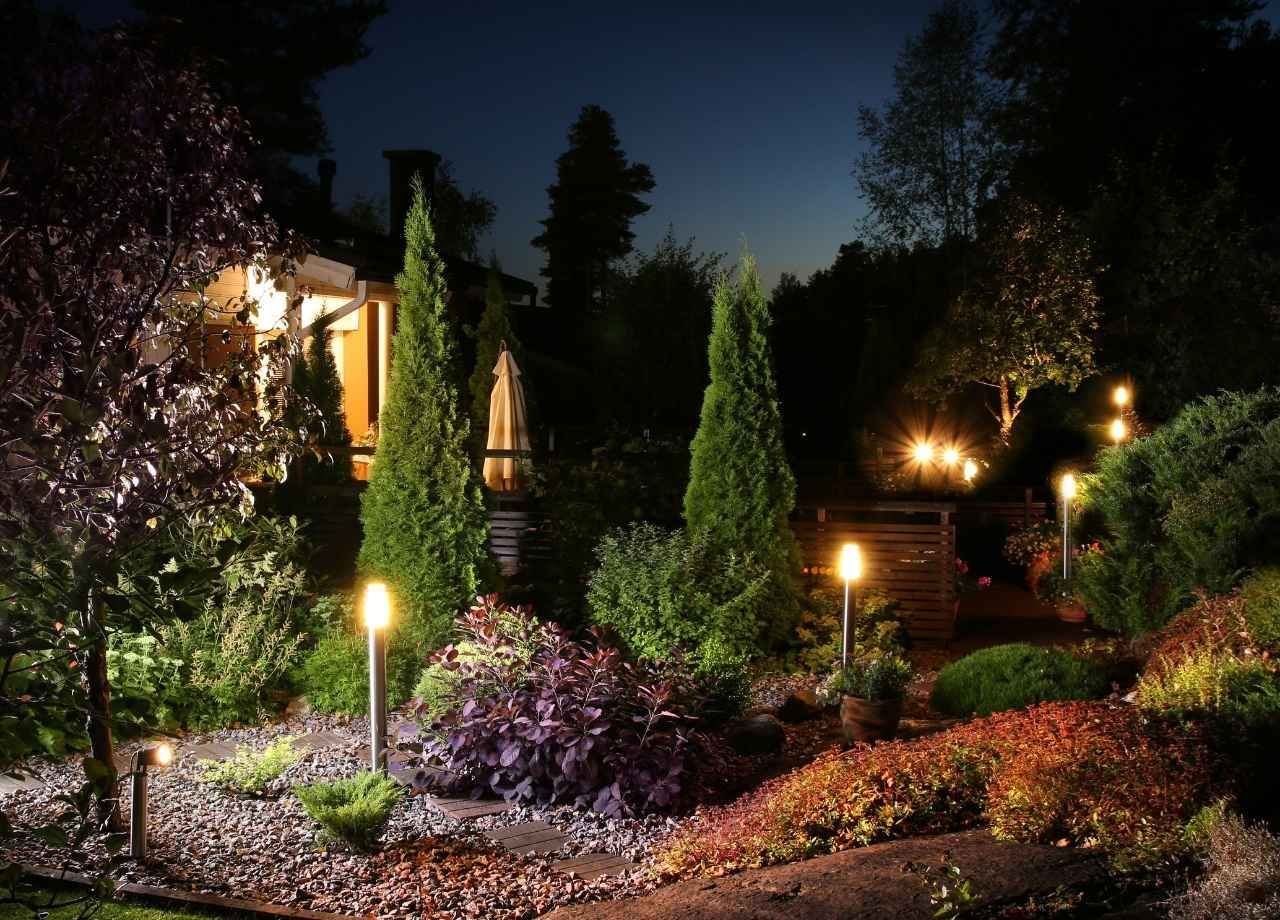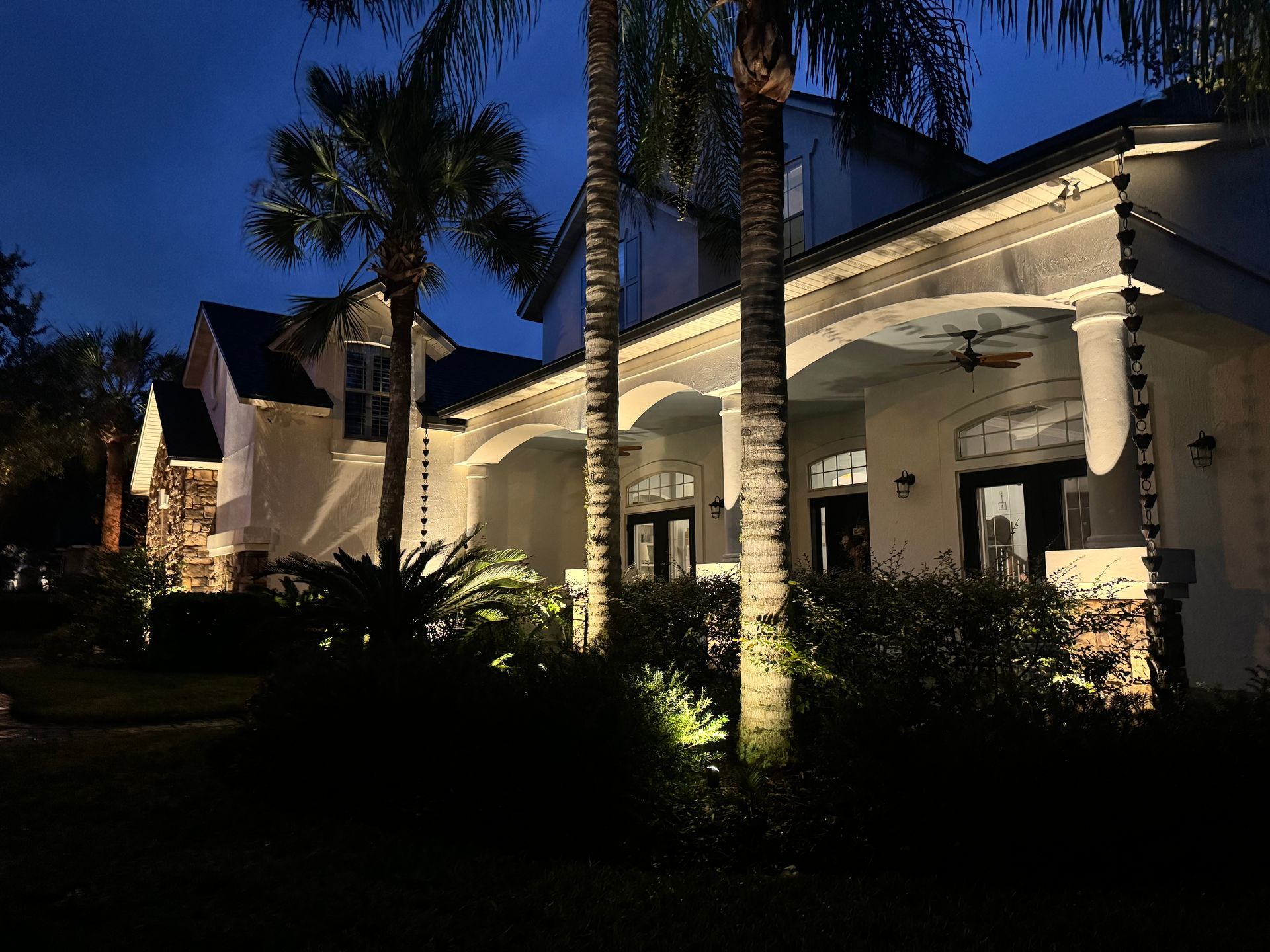
Types of Outdoor Security Lighting (and What Each One Does Best)
Outdoor security lighting gets talked about like it’s one thing, but it’s really a toolbox. The right choice depends on what you’re trying to accomplish: deter someone before they approach, capture clear video, guide safe walking paths, or eliminate dark pockets that invite trouble. Modern LED fixtures and smarter controls have changed what “good security lighting” looks like, especially with growing attention on glare, light trespass, and energy use. Dark-sky and low-light-pollution requirements are also shaping fixture design, pushing the industry toward better optics and tighter beam control.
If you want a professional set of eyes on your layout, Aloha Outdoor Lighting can design and install a security lighting plan that targets risk areas without blasting the whole property. Now let’s get into the types of fixtures and where each one actually performs.
Security Lighting Basics That Matter More Than Fixture Style
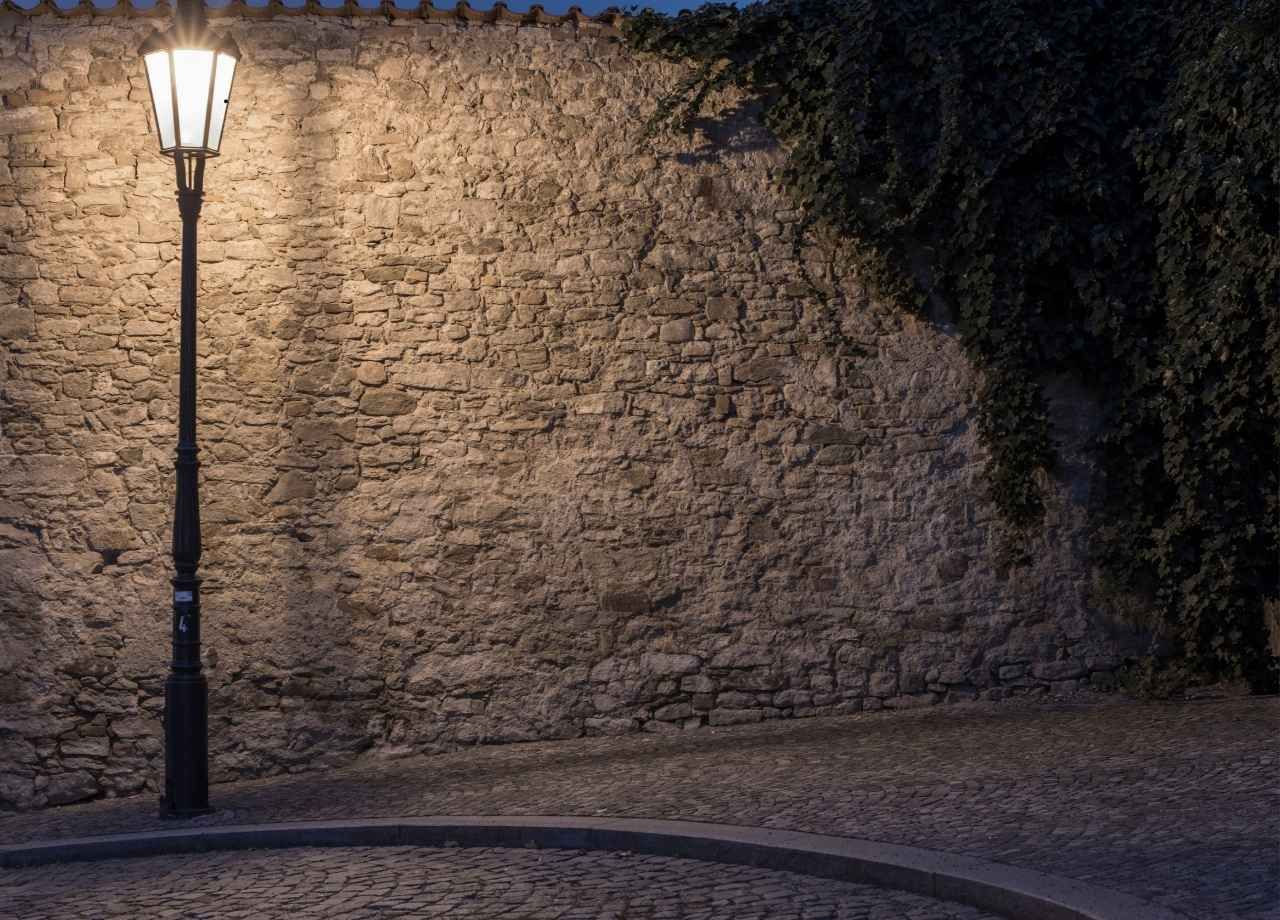
Security lighting works when it delivers usable light where people move, where doors and windows exist, and where cameras need to see. “Usable” means enough vertical illumination on a face, not just a bright circle on the ground. Glare-heavy lighting can backfire by reducing contrast for your eyes and for cameras, which is why newer specs and best practices lean toward controlled optics and lower glare approaches.
Color temperature also matters. Many properties used to default to cool, bluish-white LEDs, but warmer CCT options around 3000K are increasingly recommended for outdoor use to reduce harshness and limit unnecessary blue light spill, especially when dark-sky compliance is a priority.
Controls have become a major part of the conversation. Motion response, dimming, scheduling, and networked control systems can improve security and cut wasted runtime, and incentive programs keep pushing the market toward controllable fixtures and better performance requirements.
LED Floodlights: The Workhorse for Wide Coverage
LED floodlights are the classic security option for driveways, side yards, rear patios, and open areas where you need broad coverage. They usually mount under eaves, on garage corners, or on poles and throw a wide beam that fills space fast. Optics vary a lot, so two “same wattage” floods can look wildly different on the ground depending on beam angle and lens design.
A strong floodlight setup uses overlapping beams rather than one mega-bright fixture. Overlap reduces shadows and helps cameras capture motion without blown highlights. Floodlights also pair well with photocells and motion sensors, giving you a low-level “standby” mode that ramps up when activity occurs.
Look for adjustable heads, proper gasket sealing for weather exposure, and a beam pattern that matches the zone. Wide beams work for open yards, and narrower beams can punch farther down a long side path without lighting your neighbor’s windows.
Motion Sensor Security Lights: Light Only When It’s Needed
Motion-activated security lights are a practical choice for side gates, service doors, trash-pad areas, and anywhere people should not be lingering at night. Good motion lighting feels immediate, predictable, and consistent. Bad motion lighting triggers constantly, misses people walking up slowly, or turns off while someone is still in the area.
Sensor quality matters more than most homeowners realize. Detection pattern, mounting height, aiming angle, and sensitivity settings control how well it performs. Placement near heat sources, moving vegetation, or busy streets can create nuisance triggers that train everyone to ignore the light.
A higher-performing approach uses motion to switch from a dim background level to full output. That gives you visibility without leaving the property fully lit all night, and it avoids the jarring “pitch black to stadium” effect that can be uncomfortable for residents and guests.
Dusk-to-Dawn Lights and Photocells: Reliable Nightlong Coverage
Dusk-to-dawn fixtures rely on a photocell that turns lighting on when ambient light drops and off at sunrise. They’re popular for perimeter consistency, especially on homes with multiple access points or properties that want lighting uniform all night. Many wall packs, post lights, and floods can be ordered with integrated photocells or external photoelectric switches.
Photocell equipment is also a defined category with established safety and performance standards used in exterior lighting specifications, which matters when you want predictable switching behavior and durability.
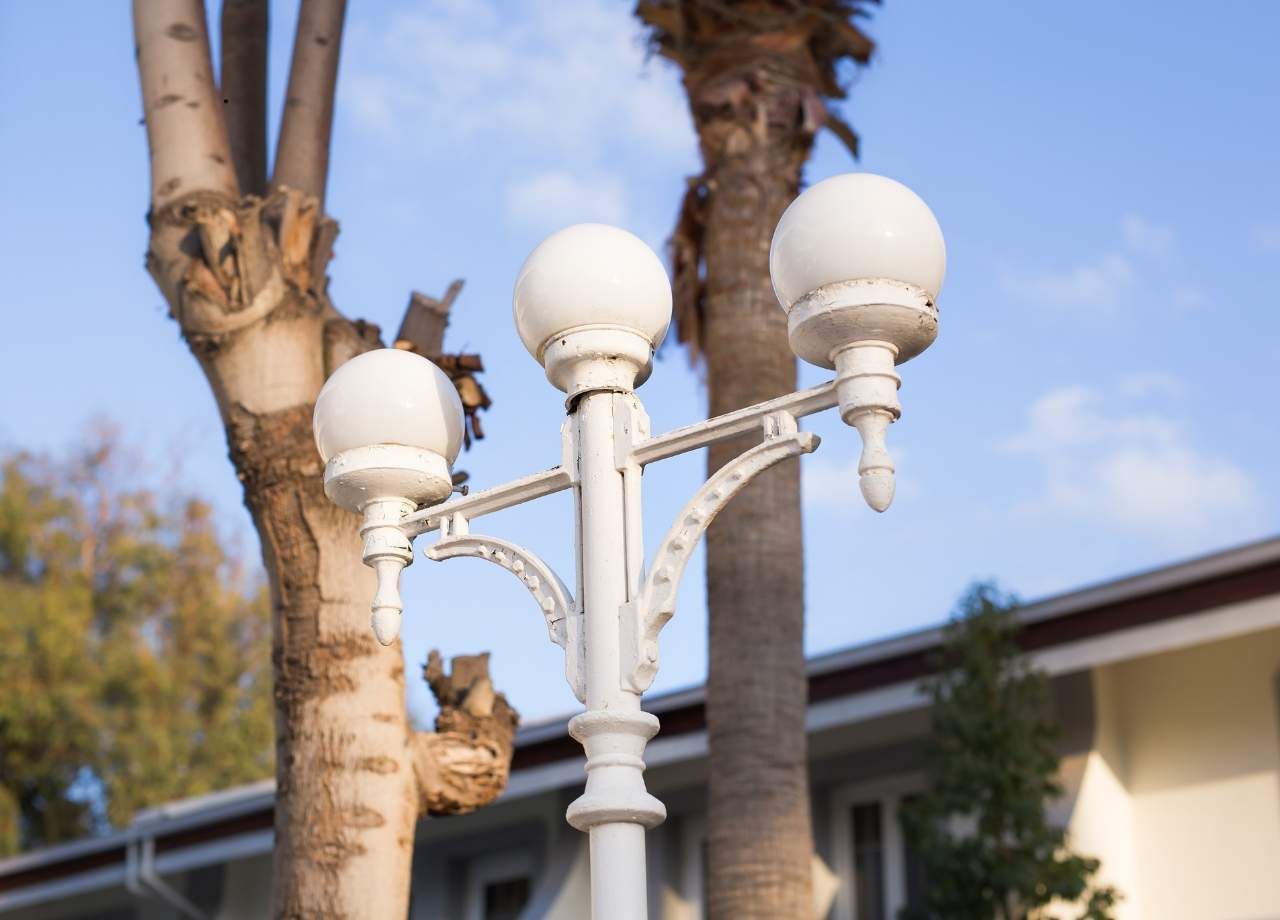
Dusk-to-dawn lighting works best when you choose fixtures with good cutoff and glare control. Otherwise, the system can create bright hot spots and deep shadows, plus unnecessary spill into bedrooms or neighboring lots. Combining dusk-to-dawn with dimming schedules is where modern systems shine, keeping a property comfortably lit early evening and stepping down later when activity drops.
Wall Packs: Targeted Perimeter Lighting for Garages and Side Yards
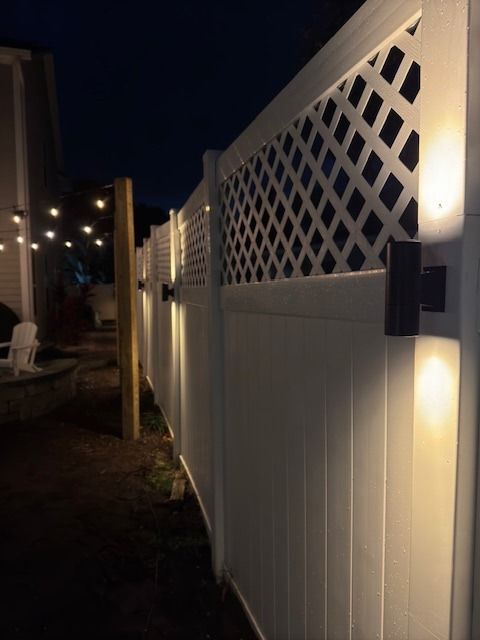
Wall packs are compact, high-output fixtures mounted on vertical surfaces. Commercial buildings use them constantly, yet residential properties benefit from smaller architectural versions near garages, side doors, and rear service areas. Proper wall-pack selection comes down to optics and shielding, not just brightness.
Traditional wall packs sometimes throw light upward and outward, creating glare and sky glow. Newer “full cutoff” designs focus light downward where it helps pedestrians and cameras. Dark-sky requirements and better light-pollution scoring methods have pushed manufacturers toward improved control of uplight, backlight, and glare.
Wall packs also excel when you need vertical illumination on walls, gates, and door hardware. That vertical light improves recognition and reduces hiding places close to the structure.
Soffit and Eave-Mounted Downlights: Quiet, Clean, and Effective
Recessed soffit downlights and surface-mount eave fixtures are great when you want security lighting that looks integrated with the home. They shine straight down, which naturally reduces glare and keeps the light where people walk. That makes them a strong choice for front entries, porches, side paths, and outdoor kitchens.
Coverage planning matters here. Downlights can create scallops of light with dark bands between them if spacing is too wide. A tighter layout with moderate output often beats a few high-output heads, especially for camera clarity and safe walking.
Warm CCT options are popular for these fixtures because the light sits close to eye level when you approach the house. A 3000K tone can look welcoming while still supporting visibility, especially paired with controlled beam angles.
Bollard and Low-Level Path Lighting: Security Through Safe Movement
Path lights and bollards rarely get called “security lighting,” yet they contribute to security every night. A well-lit walking route reduces trip hazards, makes movement predictable, and keeps people from cutting through dark landscaping where visibility drops.
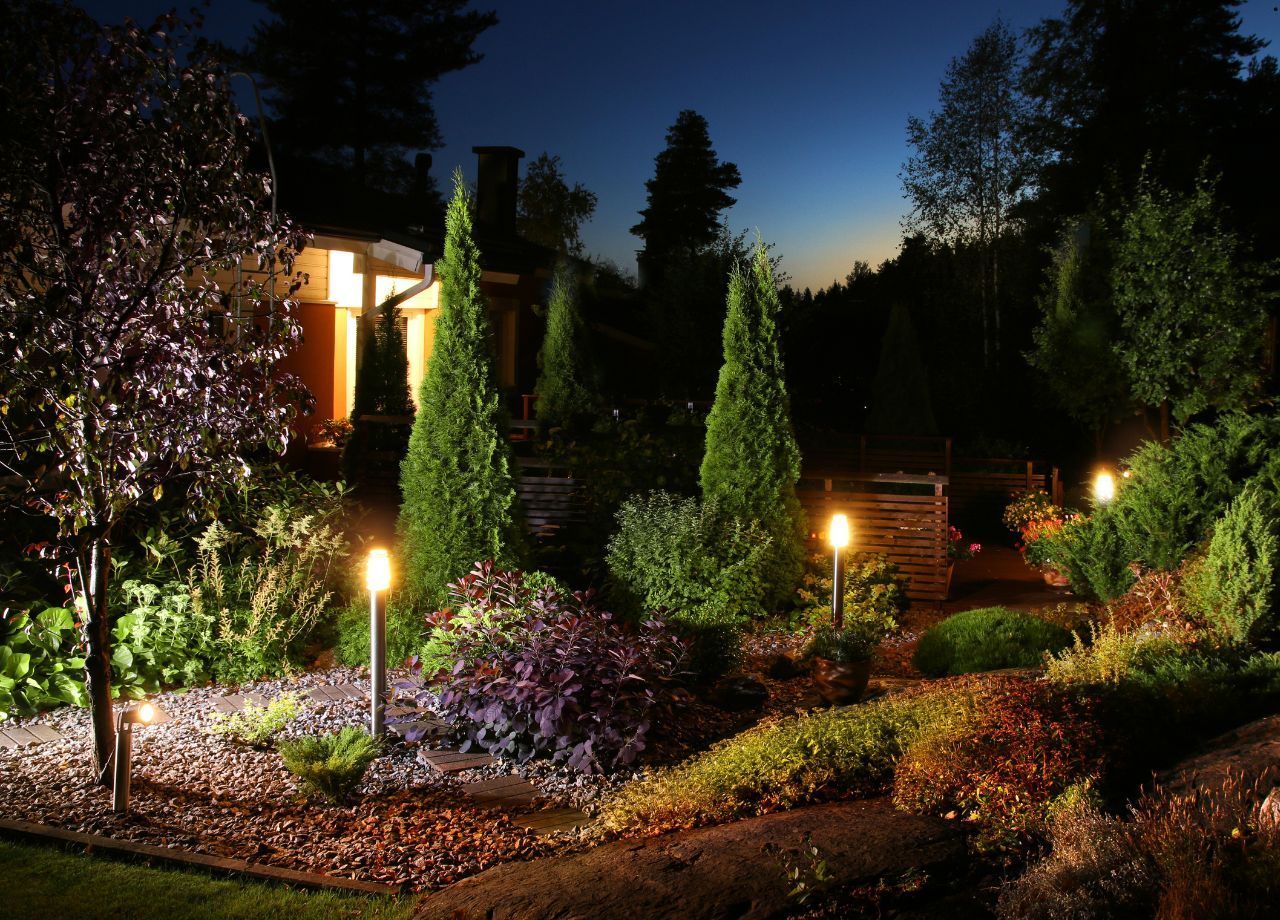
Bollards work well along longer paths, drive edges, and courtyard walkways, especially when paired with glare shields that aim light down and forward. Many modern bollards support dimming and selectable color temperature, so you can tune output rather than over-light the area.
Path lighting also helps cameras. Cameras perform better when the scene has consistent low-level ambient light, rather than relying only on sudden motion-triggered blasts that can create blown highlights and hard shadows.
Step, Deck, and Hardscape Lights: Eliminating the “Blind Spots” Underfoot
Steps, changes in elevation, and deck edges create the kind of hazard that leads to falls and frantic porch light flipping. Integrated step lights, riser lights, and under-cap hardscape fixtures solve that problem and add a security benefit: they remove dark pockets right where someone might try to move quietly.
These fixtures typically run at lower lumen levels but should be spaced and aimed carefully. A gentle wash across tread surfaces is the goal, not a row of point sources that glare into eyes. Good designs also avoid direct view of the LED emitter, using shielding and frosted lenses.
Pairing step and deck lighting with a dimmable dusk-to-dawn schedule is a smart move. The area stays navigable without feeling like a spotlighted stage.
Landscape Spotlights: Controlled Accent That Can Support Security
Spotlights are usually thought of as “beauty lighting,” yet they can support security when aimed with discipline. Lighting key trees and architectural features near corners can reduce hiding opportunities and give depth to the scene. That depth helps the human eye and improves camera performance because the scene has layered illumination rather than a single flat bright area.
Narrow-beam spots can also be used to reach specific targets: a gate latch, a side-yard corridor, or a back fence segment that’s historically been an issue. The trick is restraint. Over-aimed spots create glare and sharp shadows, which can reduce real visibility.
When you plan spotlight placement, think about what a person would see walking onto the property. Lighting that reveals faces and hands beats lighting that only makes shrubs look dramatic.
Solar Security Lights: Useful, With Clear Limits
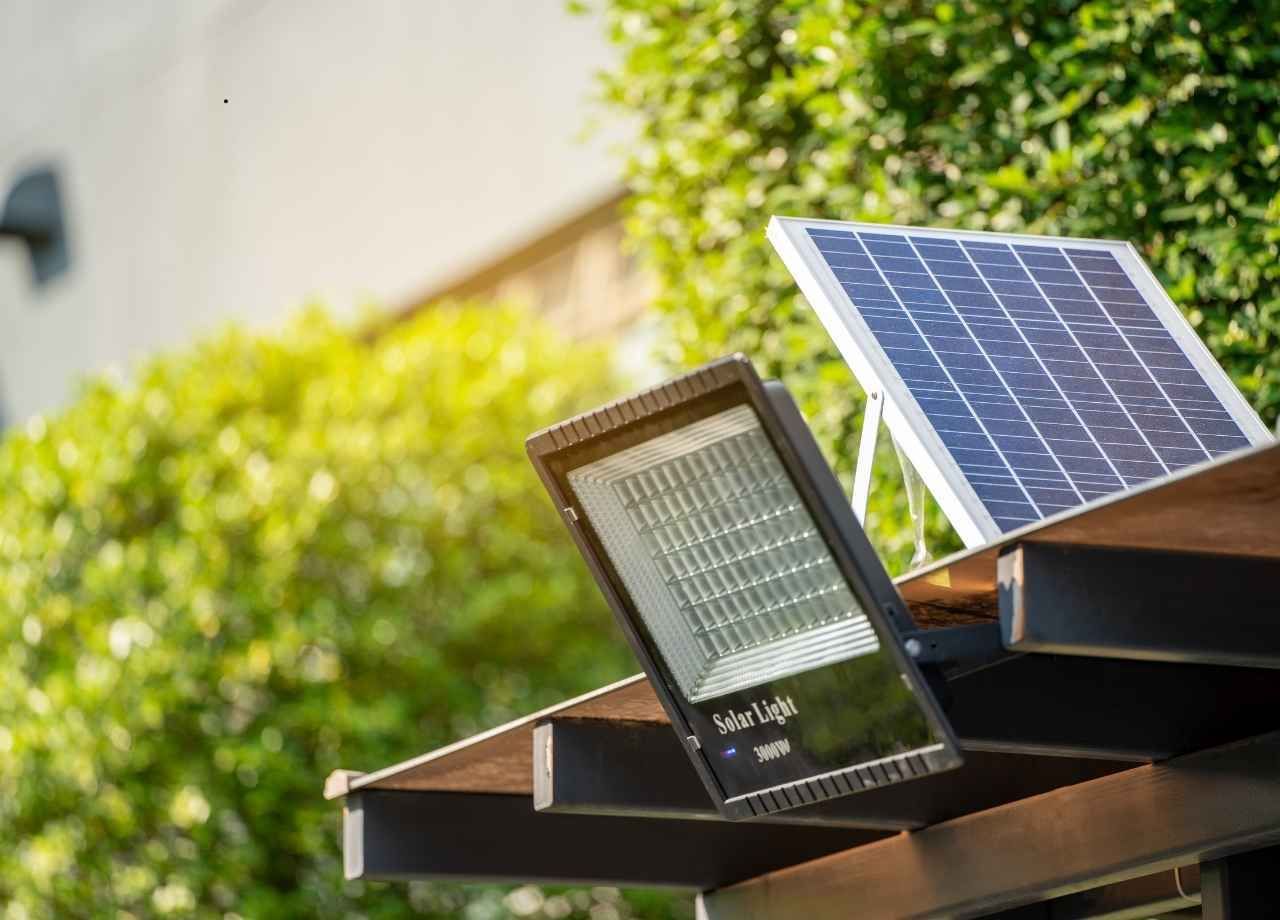
Solar security lights have improved a lot, and they can be a solid option where wiring is difficult or where you want a quick layer of coverage. Many current products advertise high-lumen output and wide distribution with motion activation, and they can perform well when mounted in strong sun exposure areas.
Solar still has tradeoffs. Battery capacity, winter performance, and shading from trees can cut output or runtime. Sensor behavior can also vary by brand, and color consistency may drift as batteries age. Solar works best for secondary zones, temporary needs, or outbuildings, rather than being the primary security layer for an entire property.
A smart approach uses solar for distant corners and combines it with hardwired fixtures for entries, driveways, and camera-critical areas.
Smart and Networked Security Lighting: Control, Data, and Better Outcomes
Smart security lighting has moved beyond “app on, app off.” Many systems support schedules, astronomical timers, motion-trigger scenes, and integration with cameras or alarm events. Networked lighting controls are also gaining traction because they deliver energy savings and provide deeper control over dimming and occupancy response across multiple fixtures.
Outdoor lighting requirements also increasingly emphasize light-pollution performance and controllability. Programs like DLC’s LUNA set additional criteria aimed at minimizing light pollution while maintaining visibility, which encourages fixture and control choices that are more precise than the old “bright equals safe” mindset.
Smart controls shine on larger properties. A driveway can stay softly lit, side yards can sit at a dim standby, and full output can trigger only where motion occurs. That feels calmer, supports cameras, and avoids burning energy all night.
Choosing the Right Type for Your Property
Security lighting works best as a layered system rather than a single fixture type. Floodlights handle broad zones, downlights and wall packs handle entries and walls, path and step lighting handle safe movement, and smart controls tie everything together so you get light when and where it matters. Dark-sky ideas and better optics help keep the light useful rather than obnoxious, which is why cutoff and glare control deserve as much attention as lumen ratings.
Pay attention to these practical decision points. Identify your highest-risk approach paths, decide where facial recognition matters, and determine which areas should stay gently lit versus triggered. Match beam patterns to those zones, choose warmer CCT when comfort and neighborhood impact matter, and use controls to avoid all-night glare.
A property that feels safely lit is rarely the brightest one. The best security lighting looks intentional, stays comfortable to live with, and makes every key zone readable at a glance.