Outdoor Lighting for a Pergola: A Detailed Guide to Creating a Beautifully Lit Structure
A pergola becomes far more than a garden feature once lighting is integrated with purpose and technical care. Thoughtful illumination adds usability after dark, strengthens architectural character, and shapes the overall mood of the space. Aloha Outdoor Lighting in Jacksonville offers custom design and installation for homeowners who want precision, safety, and long-term performance, and this article lays out the most advanced considerations behind lighting a pergola the right way.
Understanding How Pergola Lighting Shapes the Space
A pergola often sits at the center of an outdoor living area, so lighting must support multiple tasks and create a balanced nighttime presentation. A well-designed layout covers three functional categories: ambient light for general visibility, task light for dining or cooking zones, and accent light that brings out structural lines or surrounding landscape features. Each category needs its own fixture style and beam strategy to avoid glare, over-illumination, or dark pockets.
Pergolas typically blend open rafters, beams, and posts, which offer plenty of mounting options. The structure creates opportunities for layered light, yet it also introduces shadows that must be accounted for during the planning stage. Precision placement helps maintain contrast without creating harsh patterns on faces or tabletop surfaces.
Outdoor living spaces tend to perform best with a lighting plan that offers subtlety rather than raw brightness. A pergola needs enough light for movement and conversation but should still feel soft and calm during evening use. This balance is achieved through fixture scaling, beam angles, Kelvin temperatures, and intensity control.
Fixture Options That Work Best on Pergolas
Multiple fixture types can be integrated into a pergola, and each one solves a different design challenge. The most common categories include linear lights, pendant lights, recessed fixtures, integrated strip lighting, and architectural accent lights. Each option demands an understanding of waterproofing, wiring routes, and load considerations related to the pergola’s structure.
Linear lights serve as the backbone of many pergola lighting plans. When mounted along beams or hidden behind trim, they cast an even glow that fills the interior zone with soft light. They work extremely well for larger structures that require strong baseline illumination without becoming visually heavy.
Pendant lights play a decorative and functional role. They hang over dining tables or seating areas and create a visual anchor that draws the eye downward. Pendant placement requires careful measurement so they do not obstruct movement or sightlines. Weather-rated pendants also need corrosion-resistant finishes, sealed housings, and proper stabilization to withstand wind.
Recessed lights offer an excellent choice for pergolas with flat overhead panels or specially prepared rafters. They provide clean lines and controlled beams that prevent excessive spill. Recessed fixtures also support dimming systems very effectively, which allows the space to shift from task mode to relaxation mode as needed.
Integrated strip lighting delivers a modern, architectural look. When hidden within channels or placed under rafters, it creates a floating effect that outlines the geometry of the pergola. This style demands quality LED strips with high CRI ratings, UV-resistant coatings, and waterproof ratings suitable for long-term outdoor exposure.
Architectural accent lights direct the eye toward columns, bases, or surrounding landscape elements. They provide depth and dimension by adding visual contrast. Beam spread and aiming must be tuned precisely to prevent glare for those seated under the pergola.
Wiring, Power, and Safety Factors
Outdoor lighting around a pergola runs through far more than simple installation tasks. A strong design starts with evaluating the proximity of the pergola to existing power sources. Low-voltage systems remain the preferred option for most home installations because they maximize safety around moisture and foot traffic while reducing energy consumption. Transformers and power supplies must be located in dry, serviceable areas with proper ventilation.
Conduit routing under pavers, along exterior walls, or through landscape beds needs careful planning so future maintenance remains straightforward. Every connection must be sealed against moisture. Outdoor lighting also benefits from surge protection, especially in regions with frequent thunderstorms.
Smart controls have now become almost standard in high-quality pergola installations. App-controlled dimmers, scene presets, and timers allow homeowners to adjust brightness for dining, entertaining, or quiet evenings. Smart systems also reduce energy use and prolong the life of LED components.
Color Temperature and Its Effect on Atmosphere
The color of the light determines how a pergola feels and how people look in that space. Warm white tones create a welcoming environment and help maintain the natural character of wood and stone. Cooler temperatures may work for modern aluminum pergolas but often feel sterile in residential outdoor spaces.
Choosing the right Kelvin temperature depends on the material palette. Wood structures typically respond extremely well to 2700K to 3000K. Black metal pergolas can handle slightly cooler whites if the design leans contemporary. Matching temperatures across all fixtures avoids a disjointed look. LEDs with high CRI ratings keep colors accurate and prevent washed-out surfaces.
Dimming capability plays a major role in color perception. Lower brightness levels enhance warmth and create intimacy during gatherings. Task-oriented moments during meal prep or clean-up benefit from higher intensities.
Architectural Lighting Techniques That Elevate a Pergola
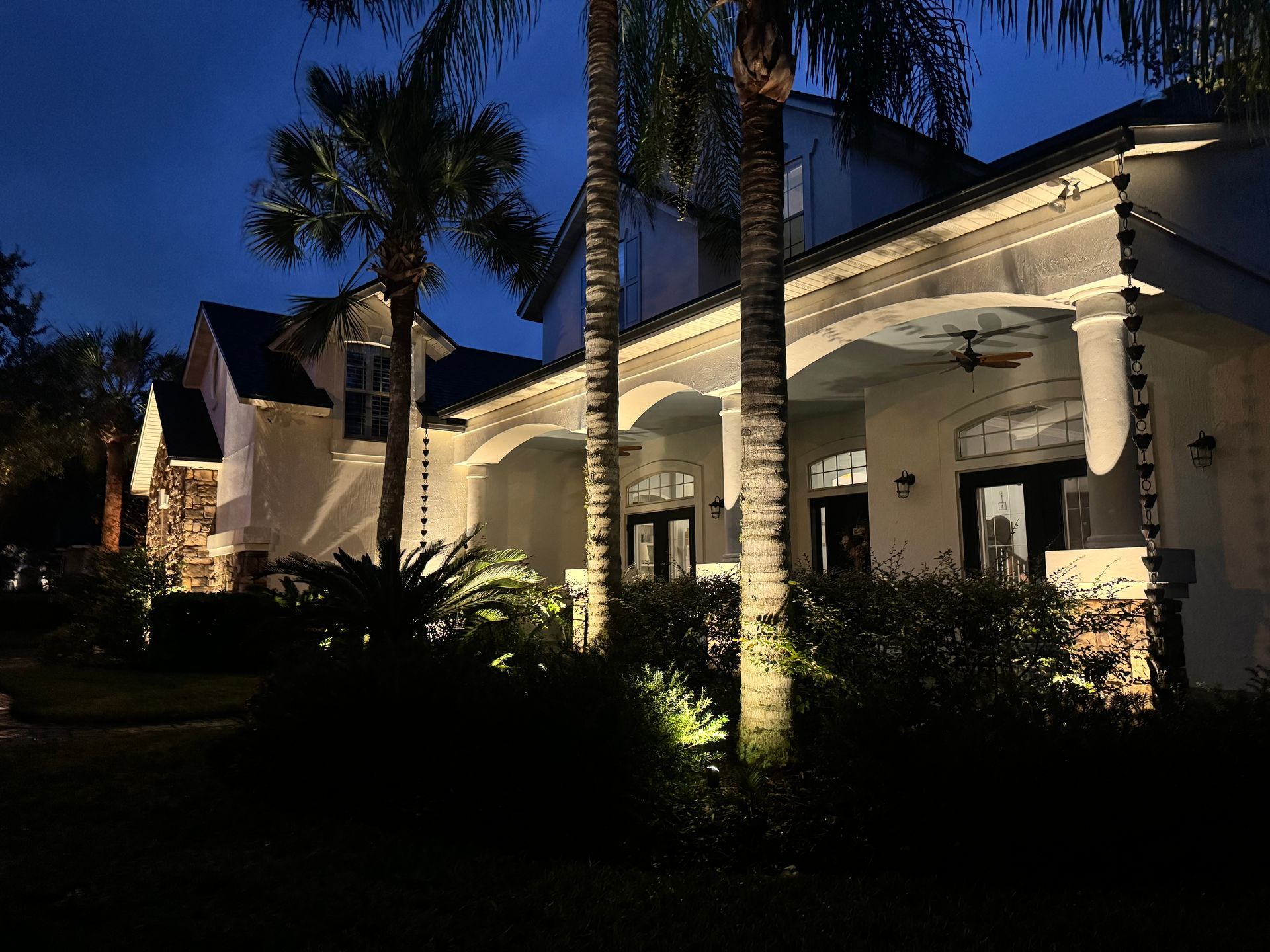
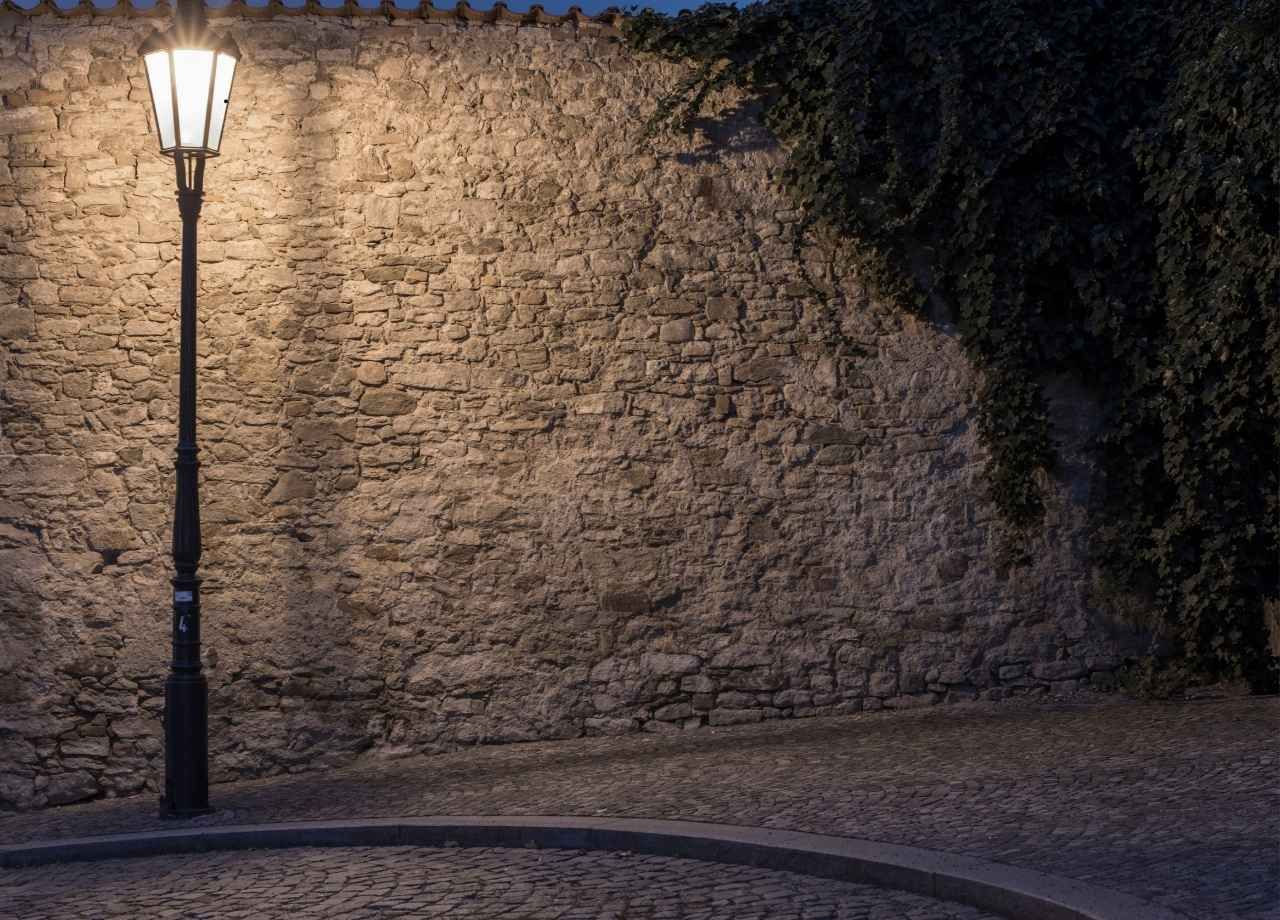
Architectural lighting for pergolas has advanced significantly in recent years, and modern strategies borrow from hospitality design. Grazing beams across posts and rafters brings out texture in wood grain or masonry. Uplighting at the base of columns adds grandeur and improves visibility around the structure’s footprint.
Perimeter lighting around the outer boundary of the pergola visually expands the structure and draws attention to its silhouette after dark. When combined with inner illumination, this creates a layered profile that stands out from the yard.
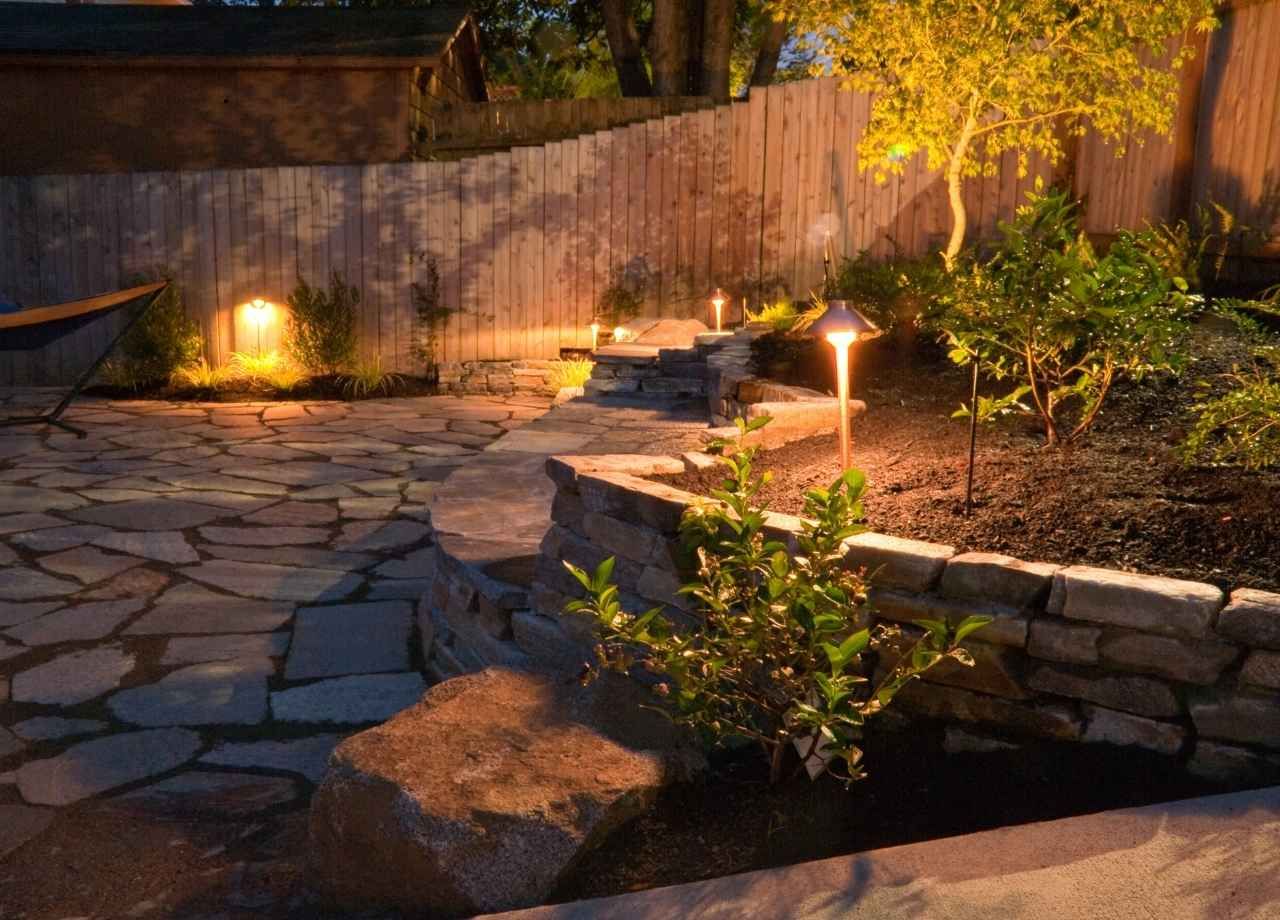
Light pollution control deserves significant attention. Shielded fixtures, proper angles, and carefully chosen lumen levels keep light contained within the immediate area. This prevents unnecessary spill into neighboring yards and enhances comfort for those sitting beneath the pergola.
Integrating Pergola Lighting With the Surrounding Landscape
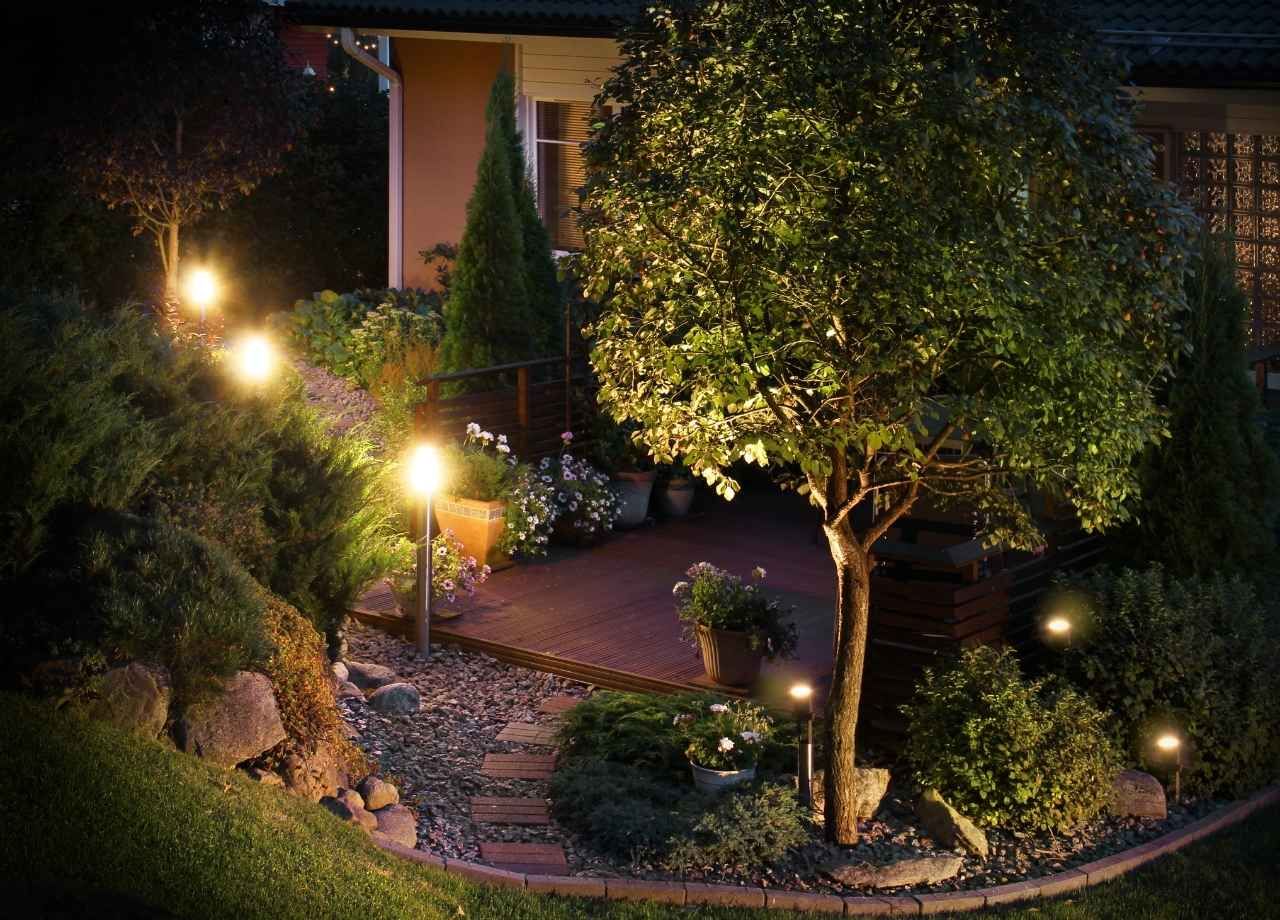
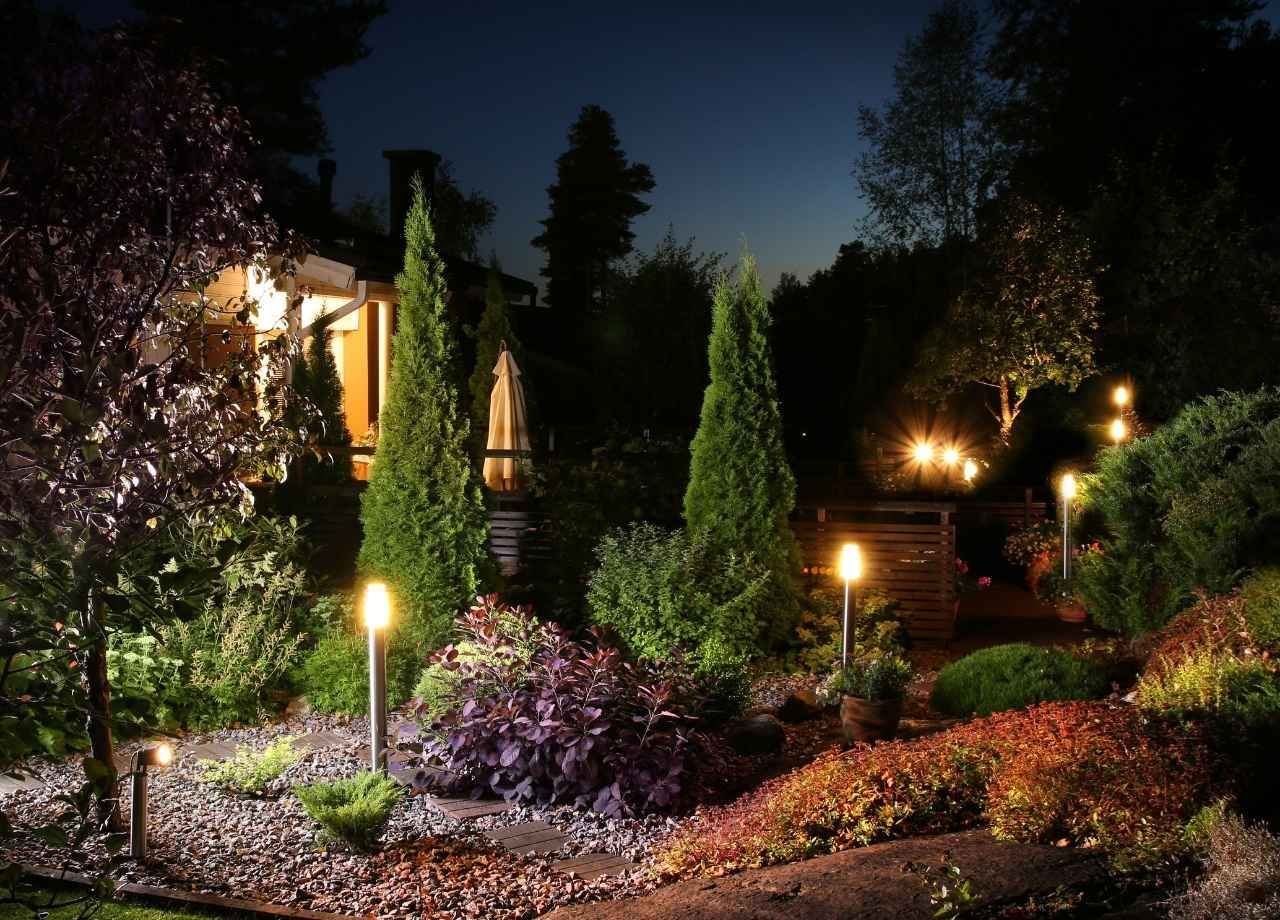
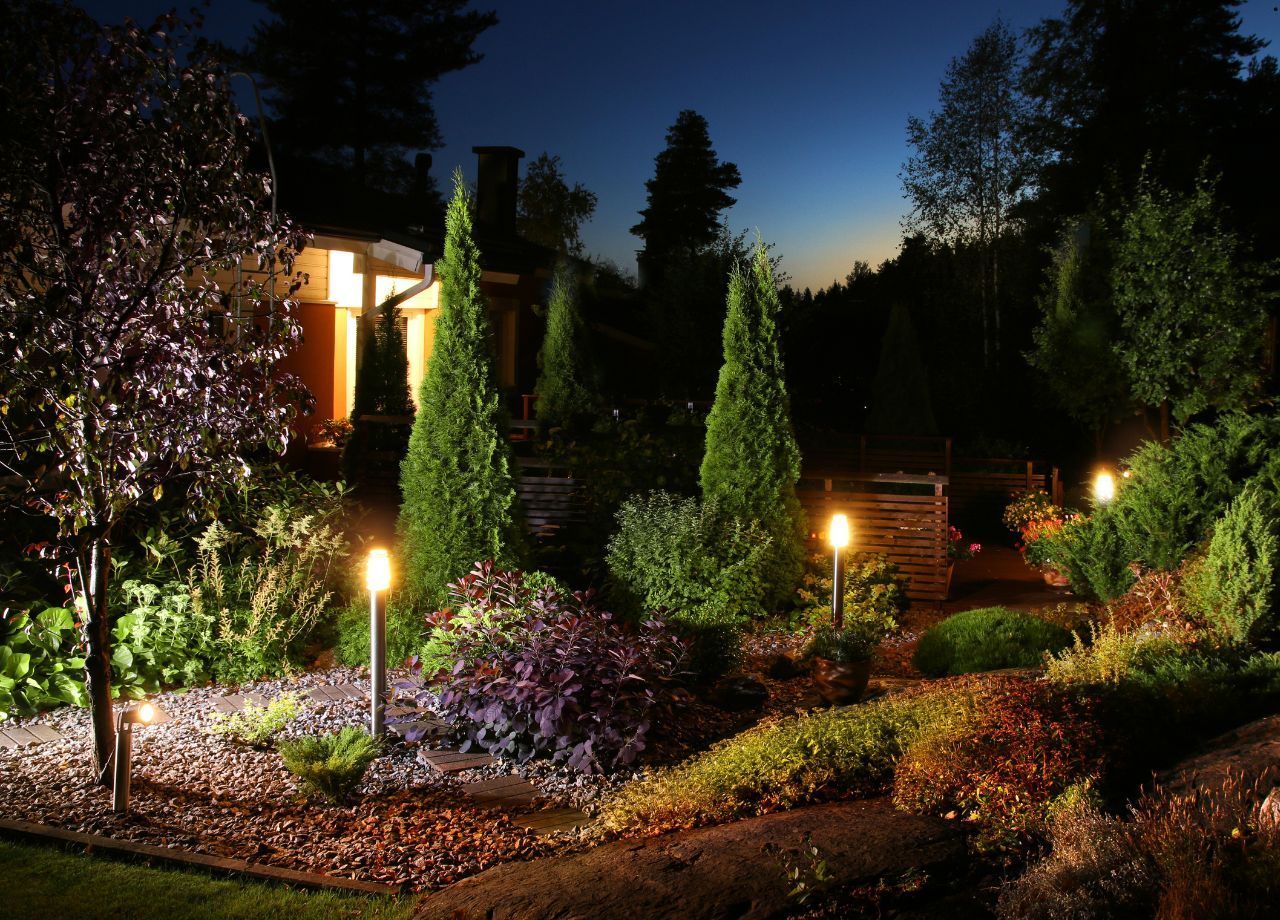
A pergola rarely exists in isolation. Most sit adjacent to patios, gardens, pools, or pathways, and lighting should blend with these companion zones. Path lights leading up to the pergola help guide visitors safely. Accent lighting on trees or plant beds near the structure extends visual depth.
Too much contrast between the pergola and the surrounding yard can cause the structure to feel detached. A slight glow in the background from landscape lights helps balance the scene. Lighting rhythm around the space determines how the eye travels across the yard. Smooth transitions between brightness levels avoid jarring shifts.
Reflective elements near the pergola also affect fixture placement. Pools, ponds, and glass features can bounce light in unexpected directions. Angles may need small adjustments after installation to control reflections and limit glare.
Seasonal and Climate Considerations
Humidity, salt air, heat, and heavy rain all influence fixture selection and installation techniques. In coastal and subtropical regions, corrosion resistance becomes a top priority. Marine-grade finishes, sealed housings, and UV-proof components extend fixture lifespan.
Seasonal changes also affect the shadow patterns under a pergola. The sun’s angle shifts throughout the year, creating different contrasts in shade during the day. Nighttime lighting must compensate for these changes by offering balanced coverage year-round. Adjustable fixtures or modular components help fine tune performance as the seasons shift.
Mosquito management also plays a subtle role. Warm light is less attractive to insects than cool white, and reducing hotspots around seating areas leads to more comfortable evenings outdoors.
Designing a Pergola Lighting Plan That Feels Intentional
A successful lighting plan considers the relationship between scale, brightness, position, and purpose. Over-lighting remains a common mistake among DIY installations. Soft layers, strategic shadows, and controlled highlights bring out a pergola’s beauty far more effectively than flooding the space with raw lumen output.
Mockups during the design phase help clarify expectations before final installation. Testing beam spreads and angles at night reveals where adjustments are needed. Fine tuning during the first few evenings can transform good lighting into exceptional lighting.
A pergola with purposeful lighting becomes a natural extension of the home’s living space. The structure feels larger, more inviting, and more functional. With the right fixtures, wiring strategy, and lighting techniques, the pergola becomes a centerpiece for gatherings, quiet evenings, and year-round enjoyment.