Outdoor Light Bulbs Types- A Detailed Guide for Safer, Brighter, Longer Lasting Exterior Lighting
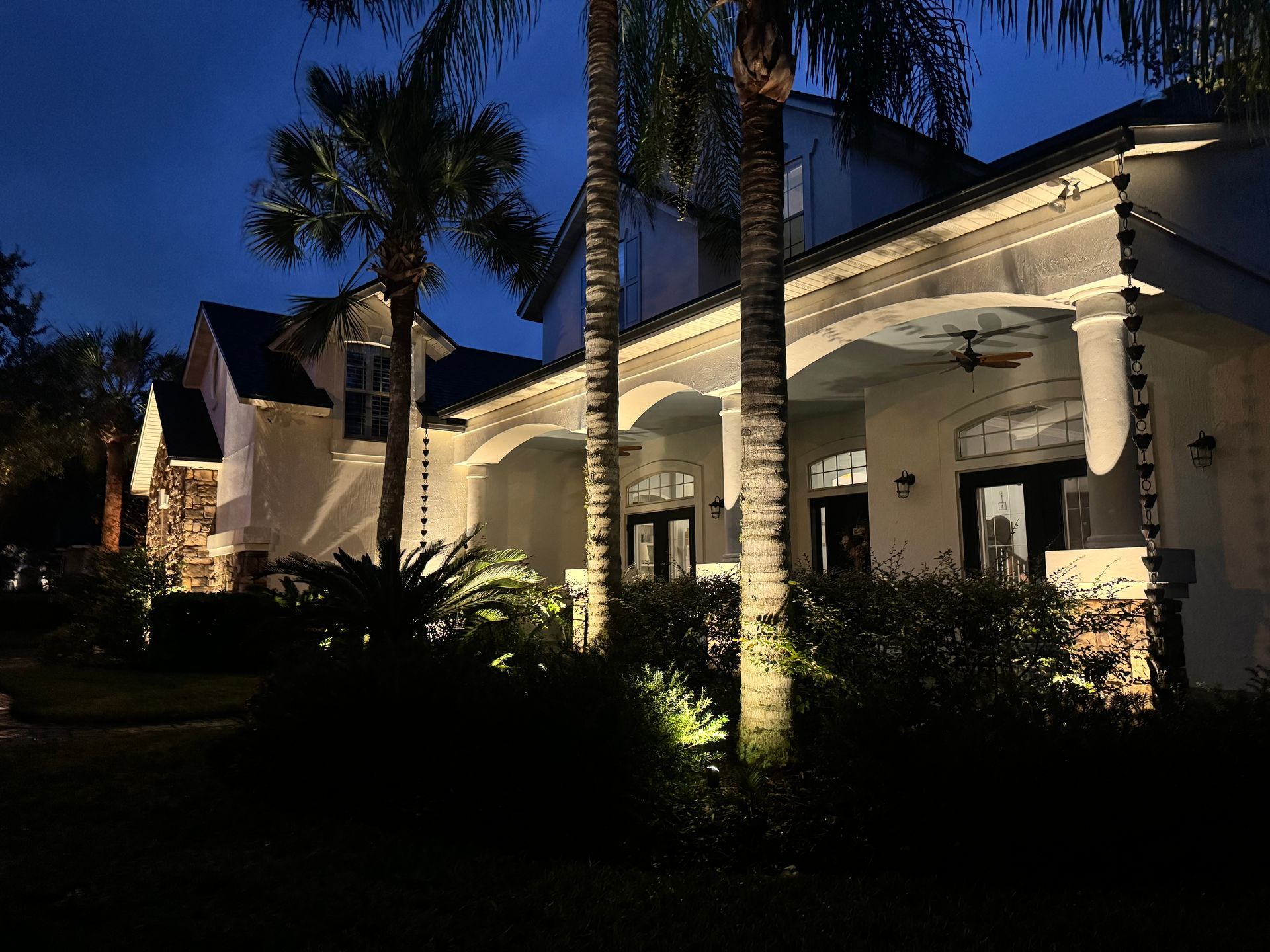
Outdoor lighting has reached a stage where durability, efficiency, and precision matter more than ever. Homes and businesses rely on the right bulb selection to keep pathways safe, architecture visible, and gathering spaces warm and inviting long after the sun sets. Aloha Outdoor Lighting in Jacksonville supports homeowners with tailored fixture and bulb recommendations during installation, ensuring each space is lit with the most suitable option for performance and longevity.
LED Bulbs
LEDs dominate the outdoor lighting landscape for strong reasons. Every component inside an LED bulb is designed for efficiency and extended service life. Energy consumption stays remarkably low, yet these bulbs outperform older technologies by delivering crisp, consistent illumination with no warm up period. That reliability makes LEDs a cornerstone of modern outdoor lighting design.
A key feature that attracts homeowners is the exceptional lifespan. While actual longevity varies based on weather exposure, fixture ventilation, and manufacturer quality, LED bulbs often reach tens of thousands of hours before dimming. That reduces maintenance cycles, which is valuable for hard to access fixtures like roofline accent lights, tall path lights, and uplights under mature trees. Color temperature flexibility also gives LEDs a unique advantage. Homeowners can match a warm glow around patios or a cooler tone for security zones. Outdoor rated LED bulbs maintain consistency across seasons, refusing to flicker during winter nights or lose intensity during humid summers.
LEDs also pair well with smart controls. Dimming modules, timers, photocells, and connected automation systems respond accurately to LEDs without the buzzing or premature failures seen with older bulb types. Since LEDs generate far less heat compared to halogen or incandescent bulbs, fixtures stay cooler, gaskets last longer, and wildlife habitats remain undisturbed by excess thermal output. The resilience of LEDs in coastal climates adds even more value to homeowners in Jacksonville and surrounding areas where salt air can challenge other light sources.
Halogen Bulbs
Halogen bulbs once served as a favorite for landscape lighting because the light quality closely resembled natural daylight. The crisp beam spreads and punchy brightness helped define architectural lines and highlight landscape textures. Many designers still appreciate the vibrancy halogen delivers, and it remains a viable choice in some installations, particularly where a specific color rendering quality is desired.
Heat is the biggest factor to consider. Halogen bulbs run significantly hotter than LEDs, which affects energy use, fixture wear, and nearby plants. A tight enclosed fixture can trap heat, shortening bulb life. Open fixtures handle halogen heat better, though exposure to rain, irrigation systems, and moisture becomes a tradeoff. The lifespan of halogen bulbs remains short by modern standards. Replacement frequency tends to be several times a year in often used zones. The higher energy draw also becomes noticeable on utility bills when a property uses multiple halogen fixtures across walkways, driveways, and outdoor living areas.
Weather response also matters. Halogen bulbs tolerate cold temperatures well, activating instantly even on frosty mornings. Rain and humidity have a more complicated relationship with halogen bulbs since the quartz envelope can react poorly to oils or contaminants. Handling the bulb with bare hands can leave residue that leads to cracking once the filament heats up. While halogen technology is declining, it still holds a place for homeowners who value the light quality more than the maintenance or efficiency drawbacks.
CFL Bulbs
Compact fluorescent lamps once gained popularity as an energy saving alternative to incandescent bulbs, offering lower consumption and longer life at a reasonable cost. Some homeowners still use CFL bulbs in porch fixtures, garages, and covered outdoor spaces. CFLs emit a workable range of light temperatures and can fit into many fixtures that accept standard screw base bulbs.
Performance changes noticeably with temperature shifts. Cold weather slows the warm up period, causing CFL bulbs to reach full brightness gradually instead of instantly. That lag can become frustrating around entryways or motion activated zones where rapid illumination is expected. CFLs also contain a small amount of mercury, which raises disposal concerns and discourages their use near areas where bulbs risk breakage. Outdoor moisture can affect ballast performance, and enclosed fixtures often trap heat that reduces lifespan.
There are specialized outdoor rated CFLs that perform better in varying climates, though they still cannot compete with LEDs in durability, clarity, or lifespan. Homeowners who still rely on CFL bulbs generally use them temporarily until upgrading to more reliable and efficient lighting.
Incandescent Bulbs
Incandescent bulbs represent the oldest technology still used outdoors. Their warm glow creates a familiar and inviting ambiance, especially in decorative fixtures around patios, pergolas, or seasonal displays. The pleasant light quality often appeals to those who want an old fashioned aesthetic for temporary settings.
Longevity presents a serious drawback. Filaments inside incandescent bulbs are fragile and sensitive to vibration, temperature swings, and moisture exposure. Outdoor conditions reduce their already short lifespan dramatically. Energy use is another concern since incandescent bulbs convert most of their power into heat rather than light. The combination of high consumption, constant replacements, and susceptibility to the elements makes incandescent bulbs a poor choice for permanent outdoor installations.
Some homeowners still use incandescent bulbs in string lights or specialty fixtures where the bulb style plays a decorative role. Those applications work best in sheltered or seasonal environments rather than year round exterior lighting.
Smart Bulbs
Smart bulbs introduce control flexibility that standard outdoor bulbs cannot match. These bulbs integrate with Wi Fi or Bluetooth systems, allowing homeowners to adjust brightness, color, automation schedules, and motion response directly from mobile apps. The convenience becomes especially useful for security lighting, event lighting, and architectural scenes that change throughout the year.

Durability varies between brands, and outdoor rated smart bulbs require sealed housings and weather resistant electronics. The majority of smart bulbs are LED based, which means they inherit long lifespan and low power consumption. Homeowners appreciate the ability to customize color temperature or scene profiles for gatherings, holidays, or seasonal accents.
Network reliability plays a role in performance. Smart bulbs must maintain consistent connection to deliver automated schedules and voice assistant commands. Fixtures with metal housings or long distance placement may weaken signals, so choosing reliable hardware and proper placement becomes essential. Smart bulbs continue to grow in outdoor popularity thanks to the expanding ecosystem of lighting controls and home automation systems.
Low Voltage Landscape Bulbs
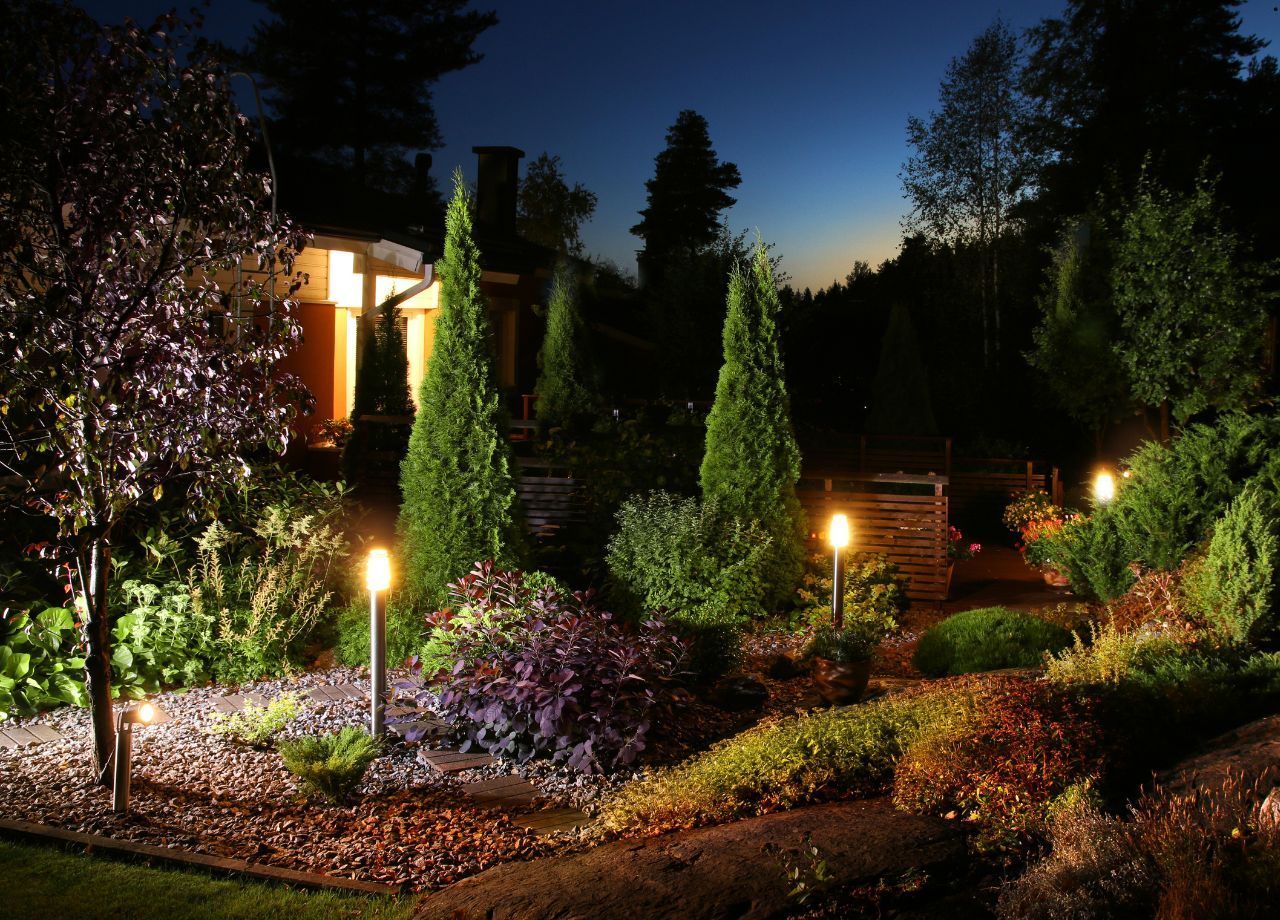
Low voltage outdoor lighting uses a transformer to step household current down to a safer level. This system supports bulbs built specifically for landscape environments. These bulbs include integrated LEDs, drop in LED replacements, and older halogen versions still found in legacy fixtures.
The advantage of low voltage bulbs comes from purpose built engineering that withstands outdoor stressors year round. Integrated LED bulbs inside sealed fixtures offer exceptional longevity because the entire assembly is designed around heat management, moisture resistance, and optical control. Drop in LED bulbs for MR16 or G4 sockets allow homeowners to upgrade older systems without replacing the entire fixture. Those retrofits work well when legacy halogen systems remain structurally sound but require a modern efficiency boost.
Beam spread precision separates low voltage bulbs from household bulb types. Narrow, wide, and flood options help designers shape lighting with accuracy, giving properties a refined look rather than uneven illumination. Color consistency also remains more stable in these bulbs because exterior rated LEDs use higher grade diodes and drivers built for outdoor conditions.
Solar Bulbs
Solar lighting appeals to homeowners seeking wire free, low maintenance illumination for pathways, gardens, and accent zones. Solar bulbs rely on rechargeable batteries and photovoltaic panels to gather energy during the day. Their performance depends heavily on the amount of direct sunlight the panel receives. Shaded properties or areas with frequent cloud cover can struggle to keep solar lights operating through the night.
Brightness levels typically stay lower than wired fixtures. Modern solar bulbs are improving, offering higher lumen output and better battery chemistry, but they still operate below the standard of wired LED systems. Durability varies widely between manufacturers, with cheaper models fading, cracking, or losing battery performance within a season. Premium solar fixtures offer better weather sealing and stronger battery cycles.
Homeowners appreciate the convenience of solar lighting for temporary or supplemental illumination. For permanent architectural or security applications, wired LED systems remain the preferred option.
Choosing the Right Outdoor Bulb
Selecting outdoor bulbs requires attention to climate, fixture type, maintenance expectations, and desired lighting effect. LED bulbs come out ahead for nearly every category, but individual property needs sometimes call for specialty bulbs. Weather conditions in coastal or humid regions require bulbs with solid ingress protection and stable internal drivers. The placement of fixtures also matters. Enclosed housings demand bulbs rated for limited ventilation, and open fixtures require bulbs tough enough to withstand rain and debris.
Aesthetic goals shape the decision as well. Warm color temperatures enhance comfort in gathering spaces, while cooler temperatures improve visibility in security zones. Smart bulbs bring personalization and automation to properties where flexibility matters. Solar bulbs serve best as supplemental lighting for areas where wiring is difficult or unnecessary.
Outdoor lighting thrives when form and function meet with clarity. The right bulb anchors that balance, extending usability, beauty, and safety throughout the year.