Outdoor Column Lighting Ideas That Elevate Architecture and Outdoor Living
Columns are structural by design, yet they also shape the personality of a home. Front porch columns, entry porticos, outdoor pavilions, lanais, and covered patios all rely on columns to frame space and create rhythm. Thoughtful lighting turns those vertical elements into architectural highlights after sunset, adding depth, drama, and security at the same time.
Outdoor column lighting requires more than mounting a fixture and calling it complete. Material, scale, beam spread, glare control, color temperature, and wiring strategy all matter. Homes across Jacksonville benefit from lighting that handles humidity, salt air, and heavy rain while still delivering crisp, controlled illumination. Aloha Outdoor Lighting specializes in custom architectural lighting solutions designed specifically for Florida homes, and column lighting often plays a central role in those plans.
Below are practical, design-forward ideas to help you choose the right approach for your outdoor columns.
Uplighting Columns for Dramatic Vertical Emphasis
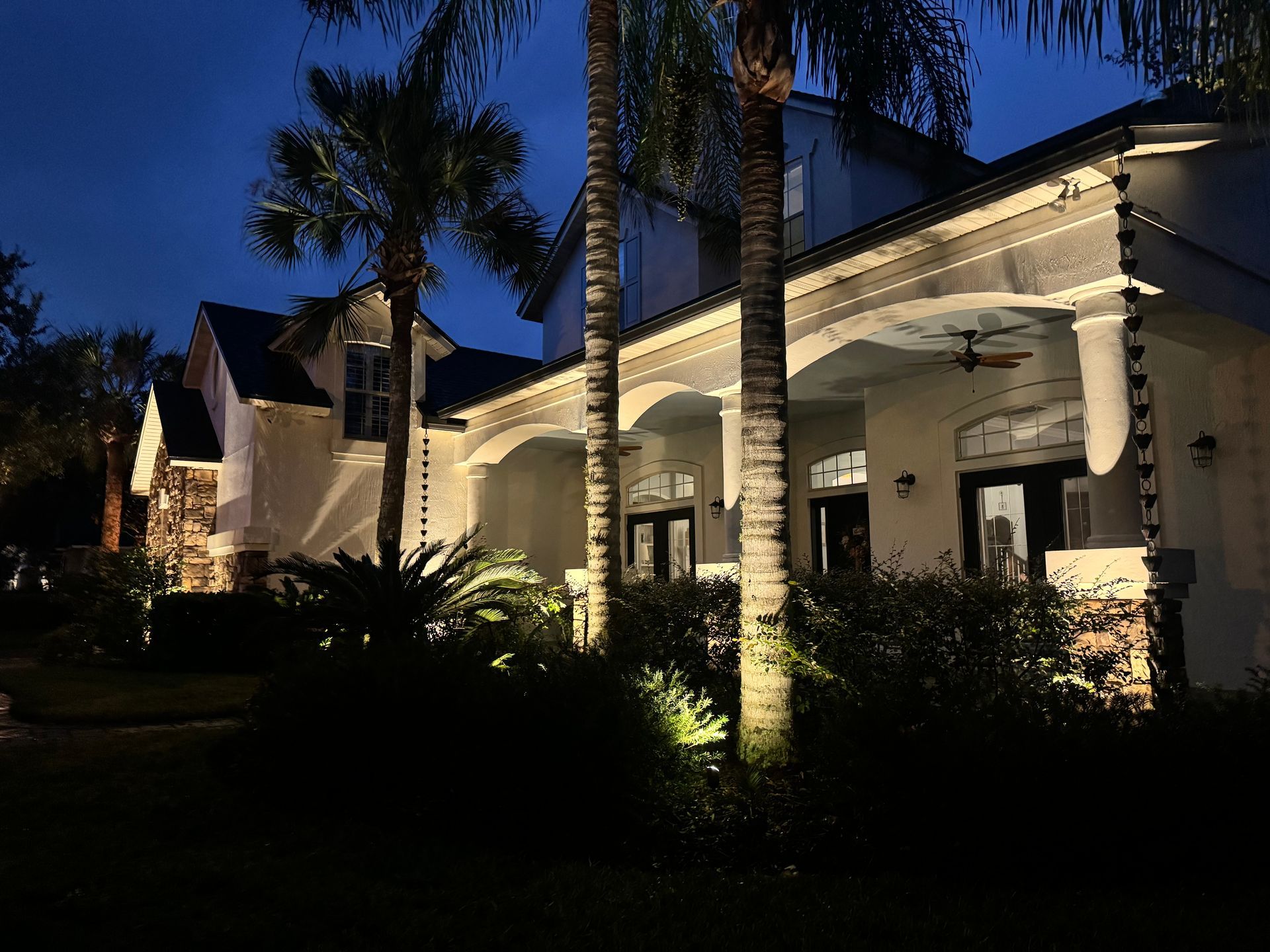
Uplighting remains one of the most effective ways to showcase columns. A properly placed fixture at the base of a column sends light upward, emphasizing texture, height, and symmetry. Homes with tall porticos or classical columns benefit greatly from this technique since it visually anchors the façade and draws the eye upward.
Beam spread selection makes a noticeable difference. Narrow beams create sharp, dramatic lines and work well on smooth columns with defined edges. Wider beams soften the look and suit textured materials such as stone or brick. Integrated LED fixtures with adjustable optics allow fine-tuning during installation, which is critical when working with varied column widths.
Color temperature also influences the outcome. Warm white light in the 2700K to 3000K range complements stucco, painted wood, and stone finishes commonly seen in Florida homes. Cooler tones can make columns appear flat or sterile, especially against warmer exterior paint palettes. Thoughtful positioning prevents hot spots and keeps light from spilling into upper windows.
Glare control should never be overlooked. Shielded fixtures and proper angling keep the source hidden from guests walking up the driveway or relaxing on the porch. A polished look always conceals the hardware while highlighting the architecture.
Integrated Column Lighting for a Seamless Look
Integrated lighting built directly into columns creates a refined and contemporary appearance. This approach works especially well in modern or transitional homes where visible fixtures might distract from clean lines.
Recessed downlights installed near the top of a column can cast a soft wash downward. That gentle illumination defines the vertical surface without overpowering the space. LED strip lighting concealed within architectural grooves or trim details produces a subtle glow that outlines the column’s form.
Construction planning is crucial for this style. Wiring pathways, ventilation, and access points must be coordinated before columns are finished. Retrofitting integrated lighting into existing columns requires careful drilling and moisture sealing to protect against Florida’s climate.
Integrated designs often incorporate dimmable drivers. Adjusting brightness allows the columns to shift from everyday ambiance to a more dramatic setting for gatherings. Smart lighting systems add flexibility by scheduling scenes or responding to sunset automatically.
Column-Mounted Sconces for Functional Illumination
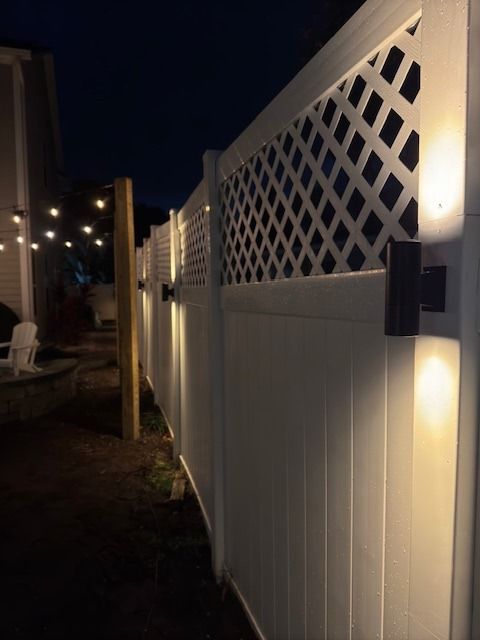
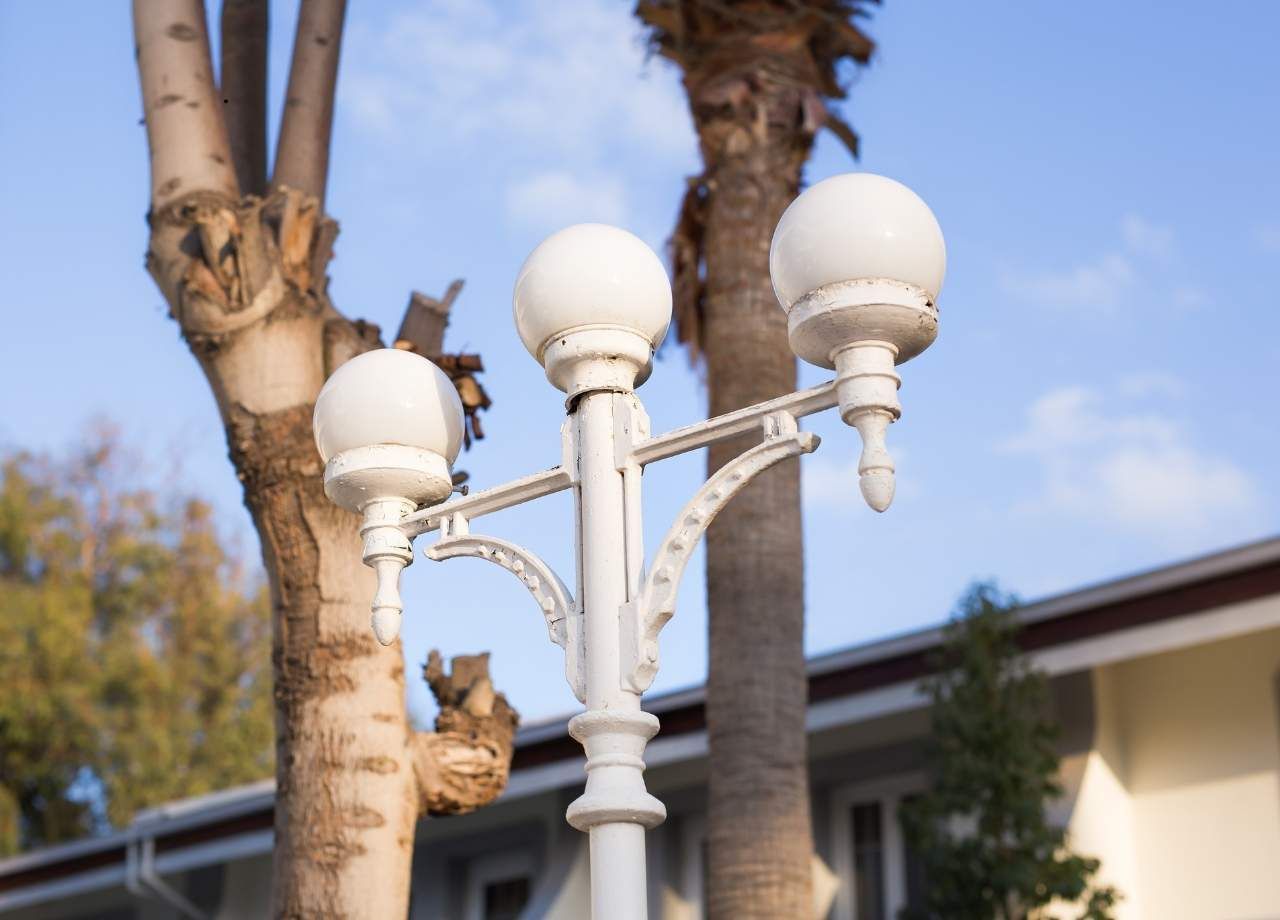
Column-mounted sconces combine architectural emphasis with practical illumination. Entry columns often serve as ideal mounting points for lantern-style fixtures or contemporary sconces that provide both forward and downward light.
Fixture scale must match the column’s width and height. Oversized lanterns overwhelm narrow columns, while undersized fixtures look disconnected on grand porticos. A general rule is to size the fixture at roughly one quarter to one third of the column height for balanced proportion.
Light distribution patterns vary widely. Some sconces cast light upward and downward, accentuating the column’s full height. Others focus primarily on downward illumination to brighten walkways and steps. Homes near the coast benefit from fixtures made of marine-grade materials or powder-coated aluminum that resists corrosion.
Placement height matters as well. Mounting a sconce too high reduces its functional output for pathways. Mounting it too low can create glare at eye level. Professional placement ensures the column remains a design feature rather than a distraction.
Grazing Techniques for Textured Columns
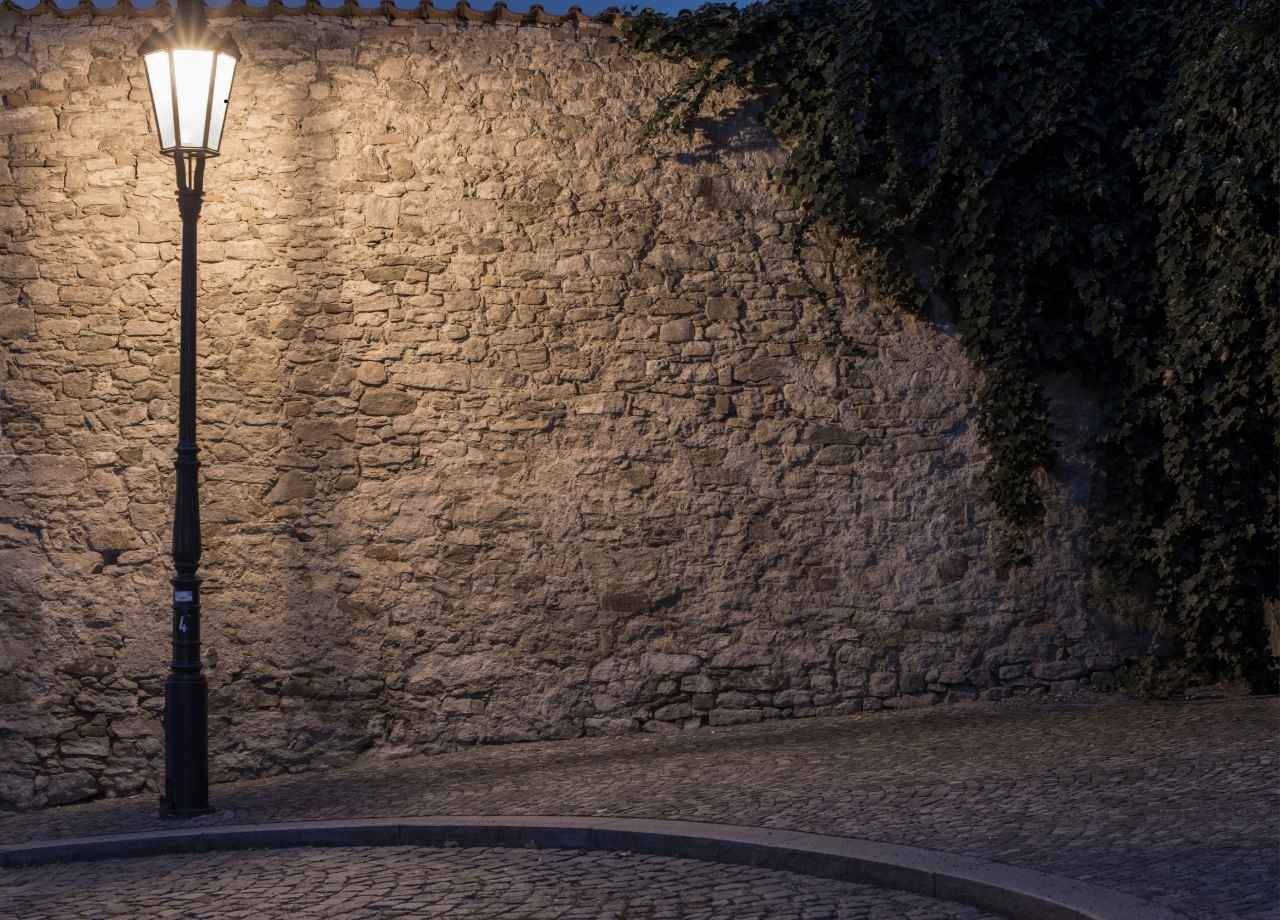
Textured columns, especially those clad in stacked stone or brick, respond beautifully to grazing light. Grazing differs from standard uplighting because the fixture sits very close to the surface, sending light up or down at a tight angle. That shallow angle exaggerates shadows and highlights surface variation.
Stone columns at entry gates or along outdoor kitchens gain depth through this technique. Each ridge and crevice catches light differently, creating visual movement after dark. Selecting fixtures with tight beam control prevents light from spilling too far beyond the column’s edges.
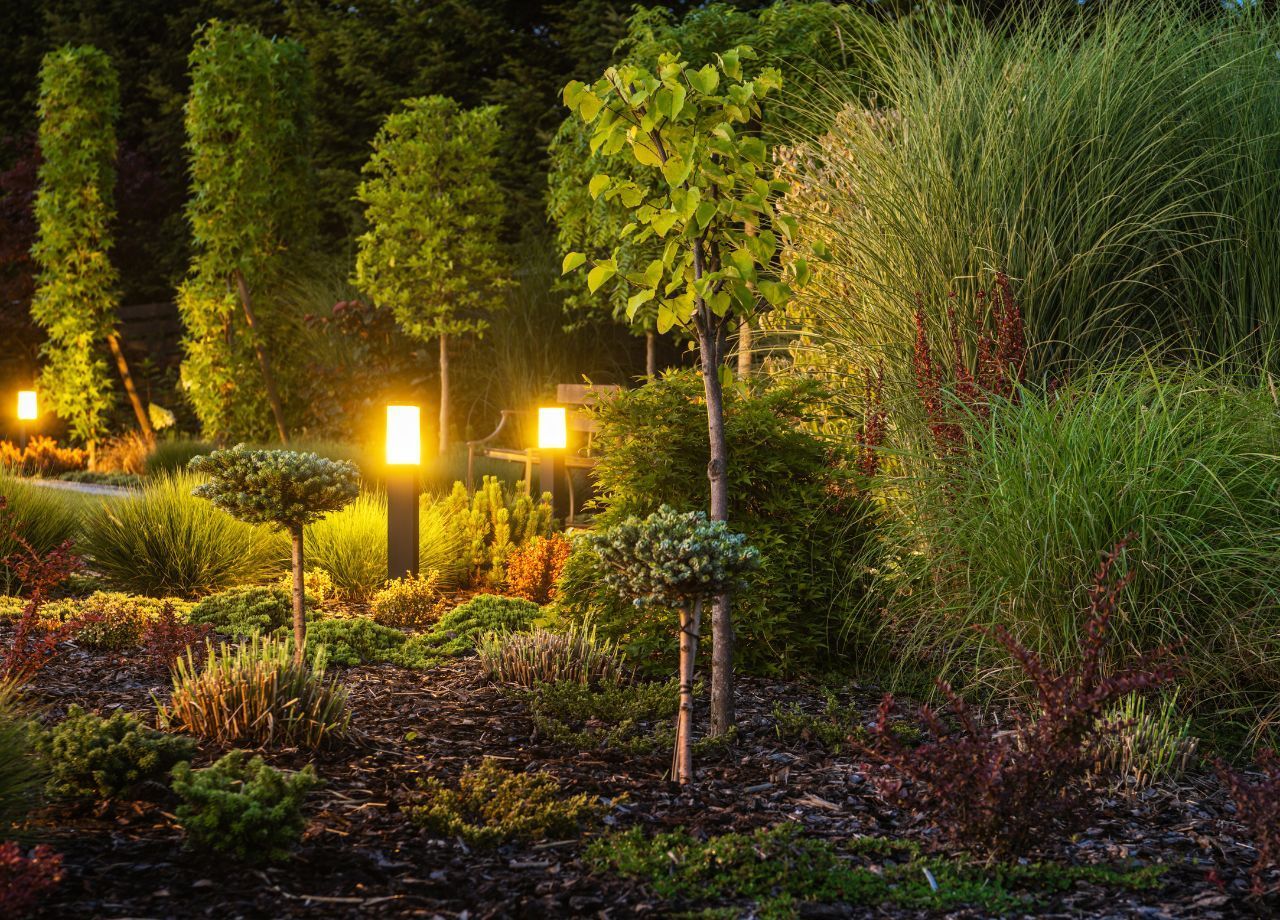
Uniform spacing becomes critical when multiple columns line a driveway or covered patio. Inconsistent beam angles produce uneven brightness, which breaks the architectural rhythm. Professional installers measure setbacks carefully to maintain symmetry across the entire façade.
Moisture protection is essential when fixtures sit close to stone or masonry. Proper drainage and sealed connections extend the lifespan of the system and protect the investment.
Downlighting from Column Capitals
Columns with defined capitals offer an opportunity for discreet downlighting. Small recessed fixtures installed beneath the capital cast light downward along the shaft and onto the surrounding floor.
This technique provides a refined glow without visible hardware. Guests see illuminated architecture rather than the source of light. Covered patios and lanais benefit greatly since downlighting adds ambient light for seating areas while still emphasizing vertical structure.
Spacing and lumen output must be calibrated carefully. Excessively bright fixtures create harsh streaks down the column. Lower output with strategic placement produces a smooth wash that blends into the broader lighting plan.
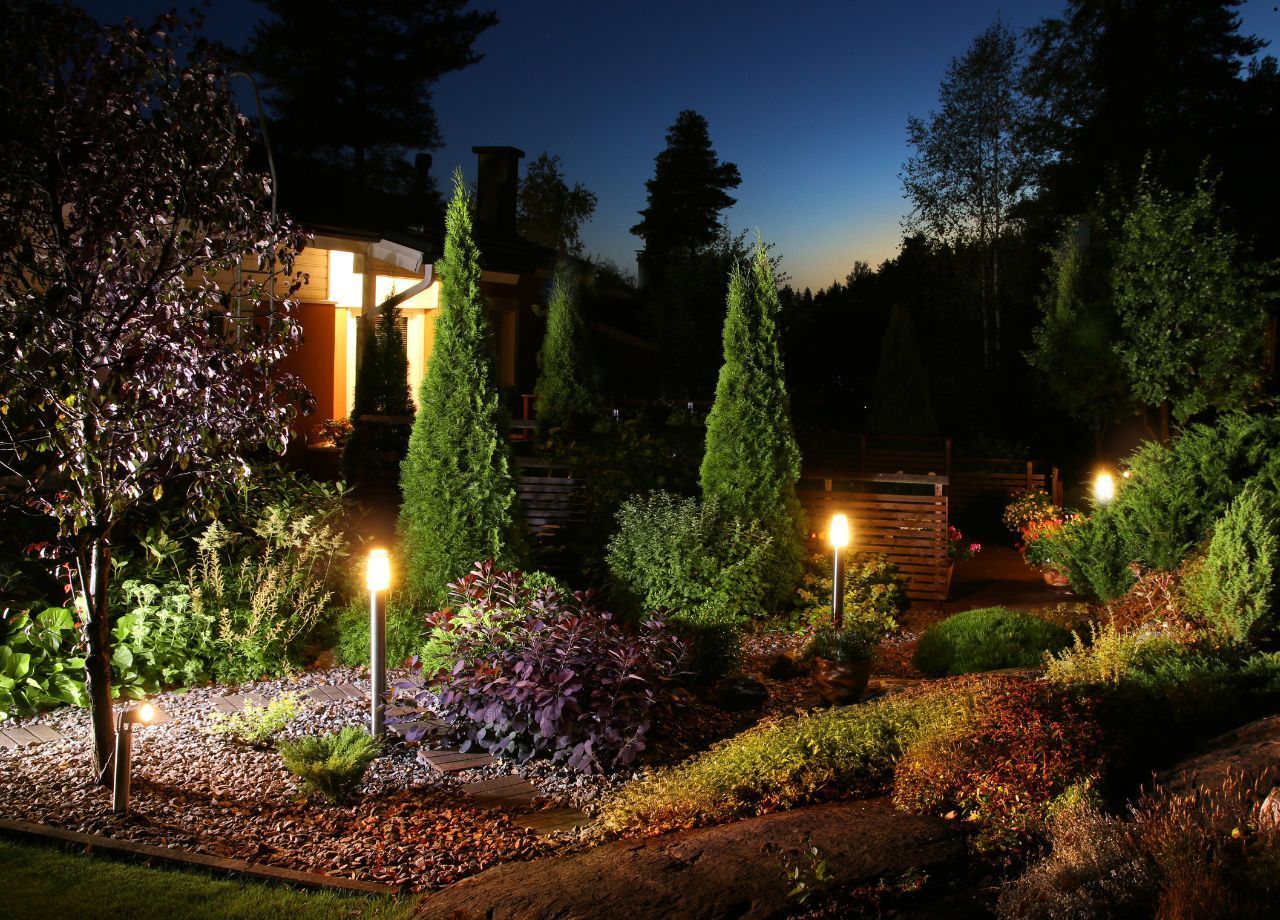
When paired with landscape lighting, column downlights help bridge the transition between home and garden. The result feels cohesive rather than segmented.
Smart Controls and Energy Efficiency for Column Lighting
Modern outdoor column lighting relies heavily on LED technology. Today’s architectural-grade LEDs deliver excellent color consistency, long lifespans, and minimal maintenance. Energy consumption remains low, even when multiple columns are illuminated nightly.
Smart controls enhance performance. Astronomical timers adjust automatically with seasonal sunset changes. App-based systems allow homeowners to dim columns independently from pathway or landscape lights. Zoned control helps create layered scenes for entertaining or quiet evenings outdoors.
Low-voltage systems offer added safety and flexibility. They integrate well with other outdoor lighting components and simplify future expansion. Professional-grade transformers with surge protection guard against power fluctuations common during Florida storms.
Careful planning ensures that column lighting complements the entire property rather than overpowering it. A balanced approach prevents the façade from appearing too bright compared to the landscape.
Design Considerations for Different Architectural Styles
Traditional homes with round or fluted columns often respond best to warm uplighting that enhances curvature. Mediterranean or Spanish-style homes benefit from soft washes that emphasize stucco textures and arched entryways. Modern homes with square columns support clean, integrated lighting lines and minimalistic fixtures.
Coastal properties require materials built to handle humidity and salt exposure. Stainless steel hardware, sealed LED modules, and corrosion-resistant finishes extend the life of the system. Proper drainage around fixture bases reduces long-term wear.
Scale remains a constant theme across all styles. Taller columns need stronger vertical emphasis, yet brightness should remain proportional to surrounding elements. Entry columns typically receive slightly more attention than secondary patio columns to guide visual focus toward the front door.
Balancing Safety, Security, and Aesthetics
Outdoor column lighting contributes to security by illuminating entry points and reducing shadowed areas near doors and windows. Thoughtful placement increases visibility without creating glare or harsh contrast. Balanced lighting deters unwanted activity while maintaining a welcoming feel.
Uniform brightness across multiple columns prevents dark pockets between structural elements. Soft transitions between architectural and landscape lighting produce a cohesive nighttime environment. Lighting that feels intentional always enhances curb appeal and property value.
Homeowners sometimes attempt to rely solely on floodlights mounted high above. Floodlighting often flattens architectural detail and creates excessive brightness. Targeted column lighting delivers a more refined result while still supporting safety.
Bringing Outdoor Columns to Life After Sunset
Outdoor column lighting blends architecture, technology, and artistry. Each home presents a different set of materials, proportions, and environmental factors. Properly selected fixtures, carefully controlled beam angles, and calibrated brightness levels turn simple structural supports into defining features of the property.
A well-executed lighting plan ensures that columns contribute to the overall nighttime composition rather than standing apart from it. Whether through uplighting, integrated LEDs, sconces, or subtle downlights, columns can anchor the entire exterior design after dark.
Thoughtful design and professional installation make the difference between ordinary illumination and architectural impact. Columns deserve the same attention as entryways, pathways, and landscape features. When illuminated correctly, they elevate the home’s presence and create a polished, welcoming atmosphere every evening.