Outdoor String Lights: A Guide to Styles, Setup, and Safety
Outdoor string lights are no longer reserved for festive seasons or backyard parties. They’ve become a staple in landscape lighting, delivering warmth, ambiance, and character to outdoor living spaces year-round. Whether you're illuminating a cozy patio, framing a pergola, or creating a soft glow across your garden, understanding the different styles, correct installation methods, and safety practices is essential. At Aloha Outdoor Lighting in Jacksonville, we specialize in custom lighting plans that incorporate high-quality string lighting as part of a comprehensive outdoor lighting design.
Choosing the Right Style for Your Space
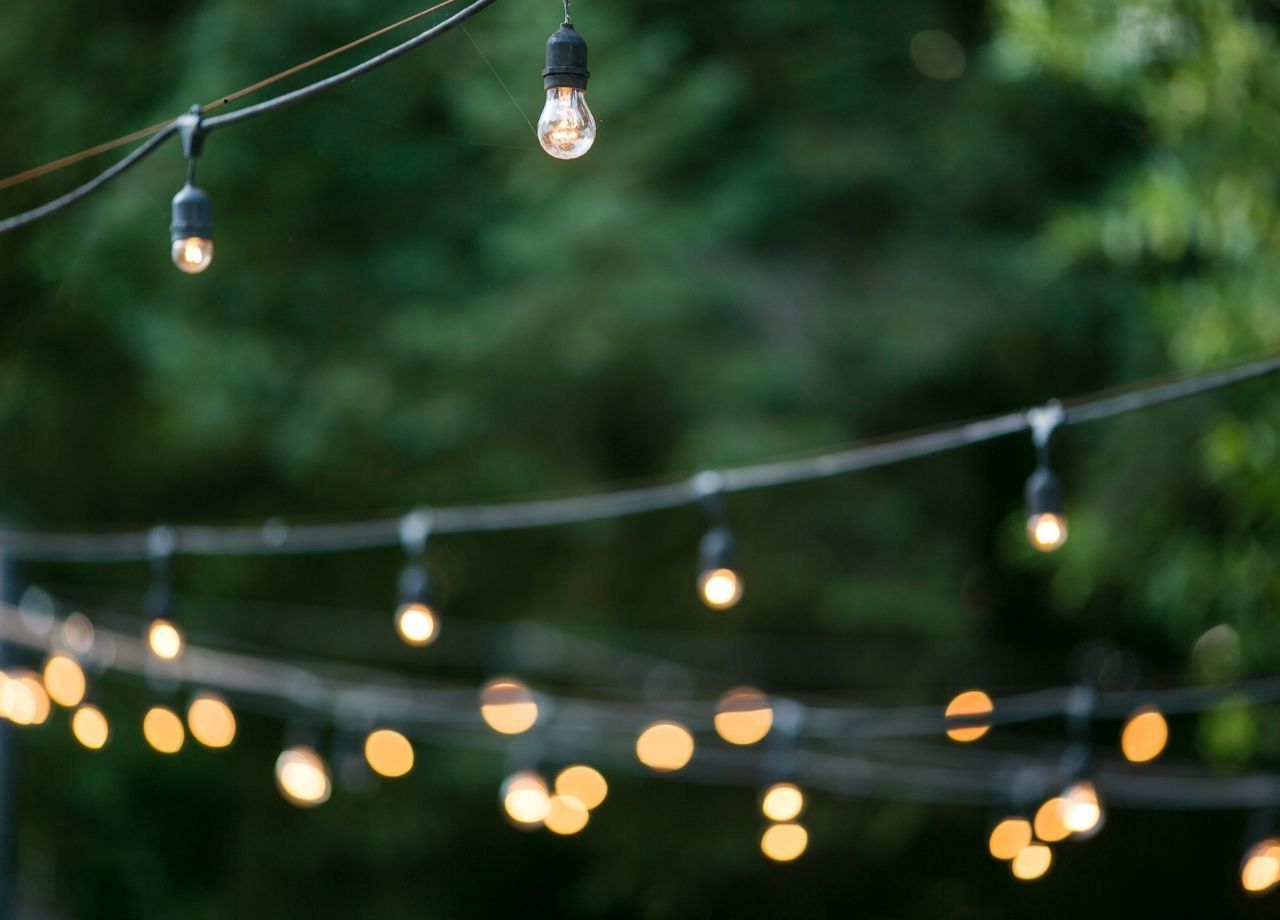
The variety of string lights available today offers both aesthetic flexibility and functional options. The key to choosing the right style lies in understanding the mood you want to create and the practical needs of your space. For patios and entertainment areas, globe string lights or Edison bulb styles are often preferred due to their soft, even glow and vintage appeal. These work well in both traditional and modern settings, and their filament design mimics classic incandescent bulbs while often utilizing energy-efficient LED technology.
For areas where durability and weather resistance are top priorities, commercial-grade string lights are worth the investment. These typically feature heavy-duty wiring, waterproof seals, and reinforced sockets to handle extreme outdoor conditions. String lights with shatterproof plastic bulbs are ideal for family-friendly spaces, especially if there's a lot of activity or foot traffic nearby.
Fairy lights, on the other hand, bring a delicate sparkle to garden paths, trellises, or accent trees. While they may not provide task lighting, they excel at creating a magical atmosphere. Rope lights and LED strip lights also fall under the string light category and can be used to highlight architectural features, fences, or outdoor staircases with clean, continuous illumination.
Planning and Setup Considerations
Before installation, it’s crucial to develop a clear plan. Start by evaluating the layout of your outdoor area. Determine where you want to anchor the lights and how much coverage you need. Measure the distance between mounting points and factor in the drop created by draping the lights. This helps you avoid a common mistake: underestimating the total length required.
Choose anchor points that can support the weight and tension of the light strands. These could include walls, posts, trees, or purpose-built poles. For open areas without natural mounting options, tension wire kits can be used to span wider gaps while keeping the lights securely in place. Attaching string lights without proper support leads to sagging, premature wear, and potential hazards.
Power source planning is another key factor. Most outdoor string lights run on standard 110-volt household current, but solar-powered and battery-operated options are available when wiring is limited. If you’re running multiple strands, check the wattage and manufacturer’s guidelines on how many sets can be safely linked together. Exceeding these limits can overload circuits or cause overheating.
Weather protection for connections and plugs cannot be overlooked. Use outdoor-rated extension cords and cover all exposed connections with waterproof covers or shrink wrap tubing. When plugging lights into outlets, GFCI (ground fault circuit interrupter) protection is essential. It cuts power in the event of a short or moisture intrusion, significantly reducing fire and shock risk.
Safety and Longevity Best Practices
Installing outdoor lighting should never be rushed. Proper setup not only enhances safety but also extends the life of your investment. Always follow the manufacturer’s installation instructions, and avoid making substitutions for components like bulbs, cords, or sockets. Using mismatched parts compromises integrity and may void warranties.
Tension matters when installing string lights. Over-tightening can strain the wires and sockets, leading to breaks or electrical failure. A gentle drape, especially with catenary curves, provides a more relaxed, natural look and reduces stress on connection points. If lights will be strung across high-traffic areas, maintain a clearance of at least 8 feet to prevent accidental contact or interference.
Routine maintenance also plays a role in long-term performance. Clean bulbs and sockets periodically to remove debris, insects, or dirt buildup that could interfere with lighting quality. Inspect connections for signs of corrosion or damage, especially after storms or long rainy seasons. Store seasonal string lights properly by coiling them loosely and avoiding sharp bends that could damage wiring.
For larger or more complex installations, working with professionals can simplify the process. We often see homeowners struggle with achieving consistent results when mixing different types of lights or installing around irregular structures. A custom design ensures balance, symmetry, and compliance with local safety codes.
Energy Efficiency and Technology Advancements
Today’s string lights are more energy-efficient than ever thanks to LED technology. Compared to traditional incandescent bulbs, LEDs consume up to 80% less power, generate less heat, and last significantly longer. They’re available in a wide range of color temperatures, from warm amber tones to crisp daylight hues, offering plenty of creative control.
Smart technology integration is also expanding in outdoor lighting. Many modern string lights can be paired with smartphone apps, timers, and motion sensors, allowing users to schedule lighting, adjust brightness, or switch between modes with ease. Some even feature color-changing options for special events or holidays.
Solar-powered string lights have improved as well, offering reliable illumination with sufficient sun exposure. However, their performance still varies based on geographic location, battery size, and weather conditions. For more consistent performance, low-voltage wired options with LED fixtures tend to offer the best balance of efficiency and reliability.
Design Inspiration and Placement Ideas
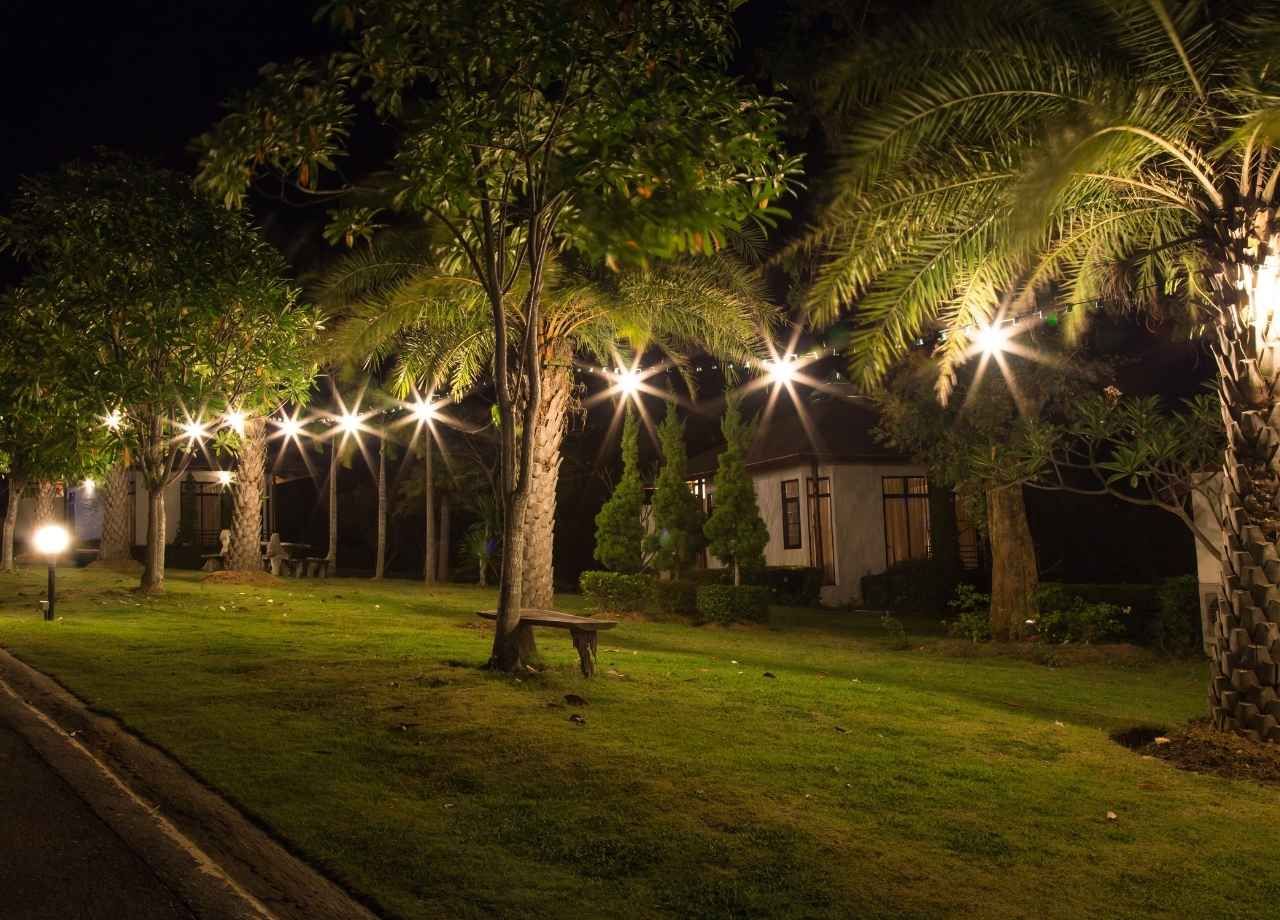
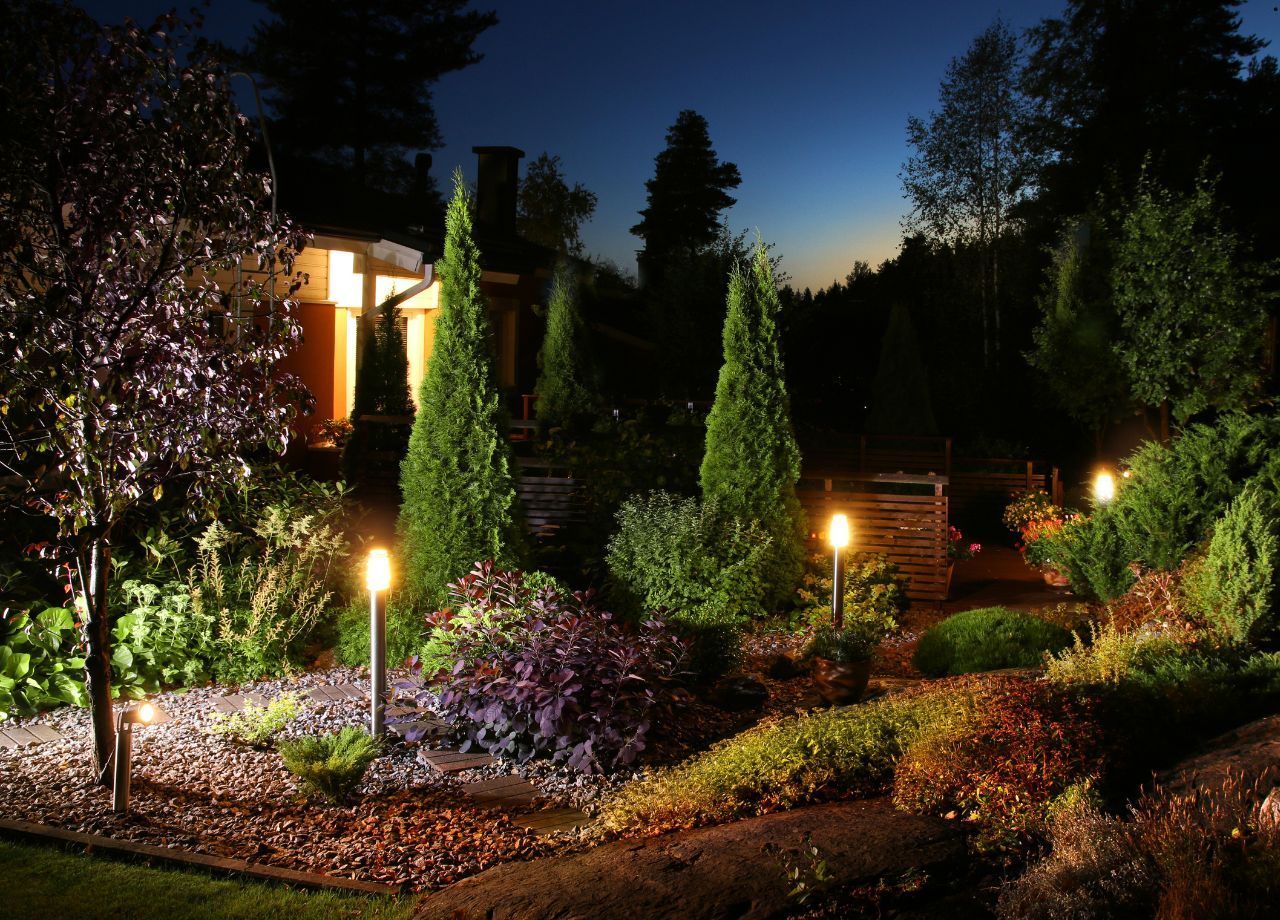
Beyond patios and decks, string lights are being used creatively across a variety of outdoor settings. Draping lights through trees or across garden pathways can create depth and guide foot traffic in a subtle way. Overhead lighting above outdoor dining areas adds warmth and encourages guests to linger. For pergolas and gazebos, wrapping lights around beams or weaving them through the roofline can create a cozy, enclosed feel.
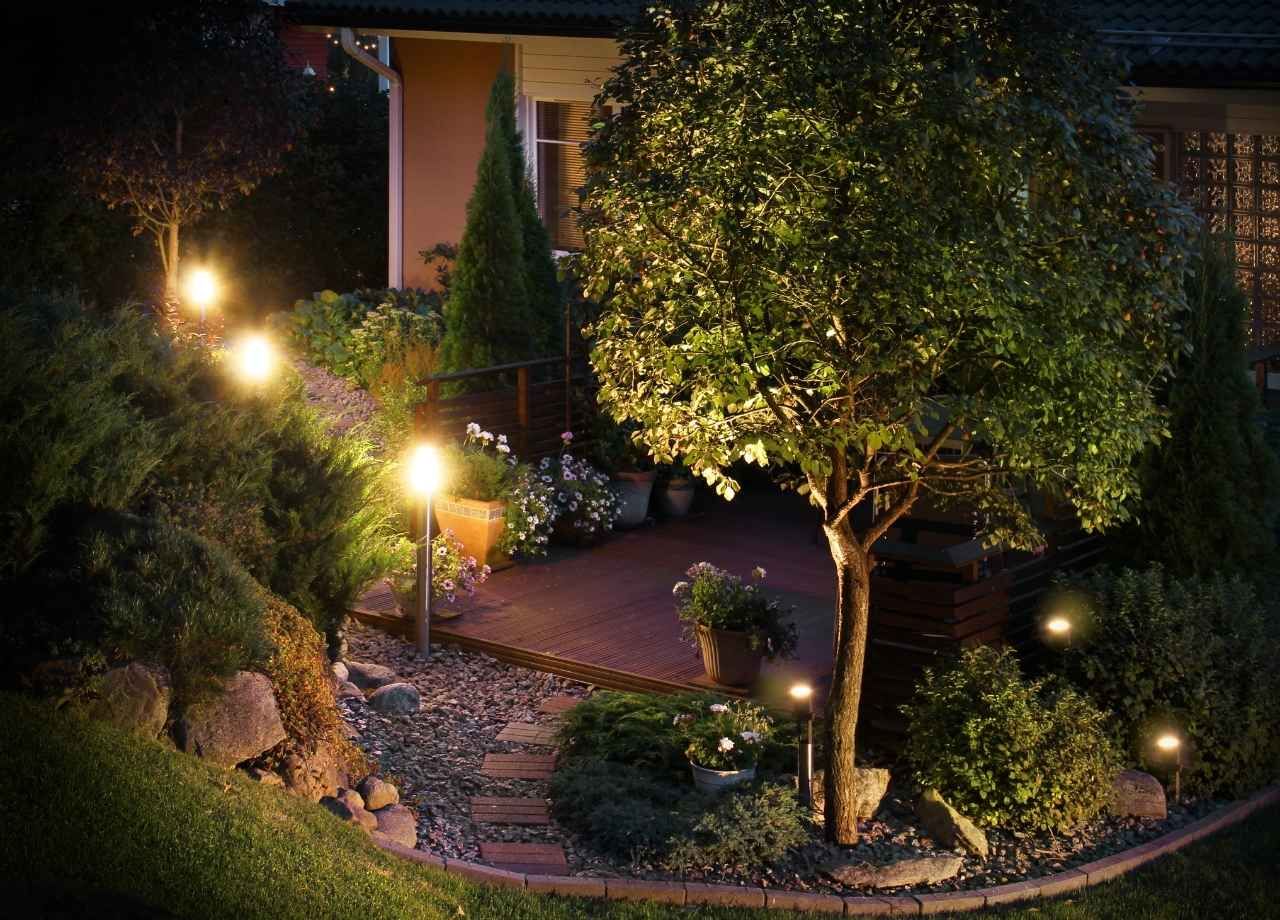
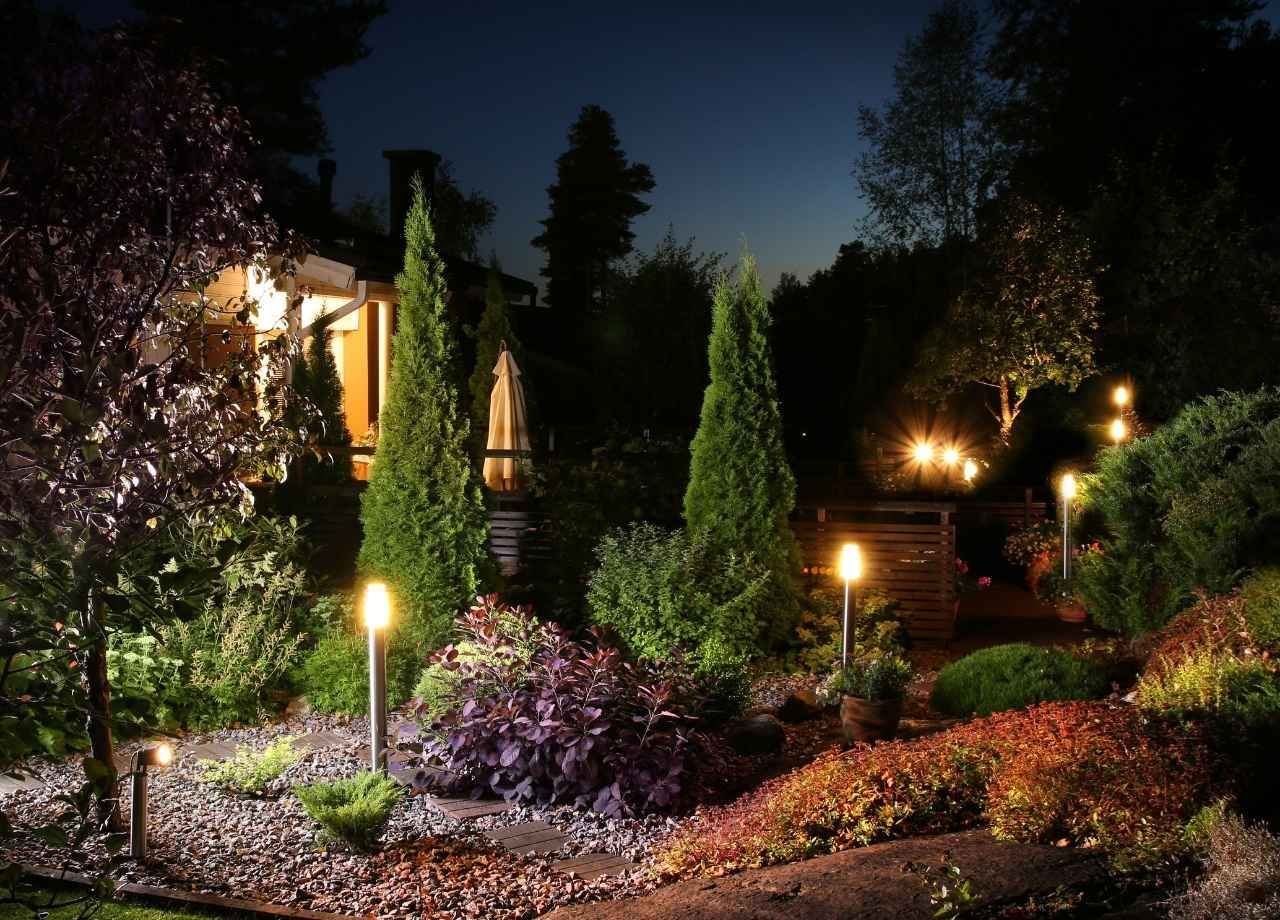
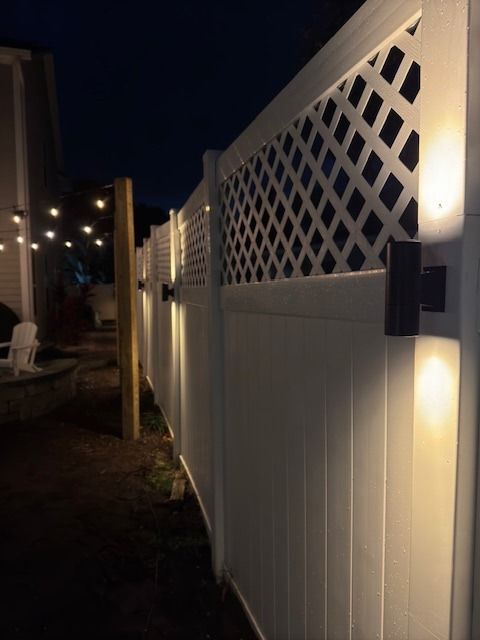
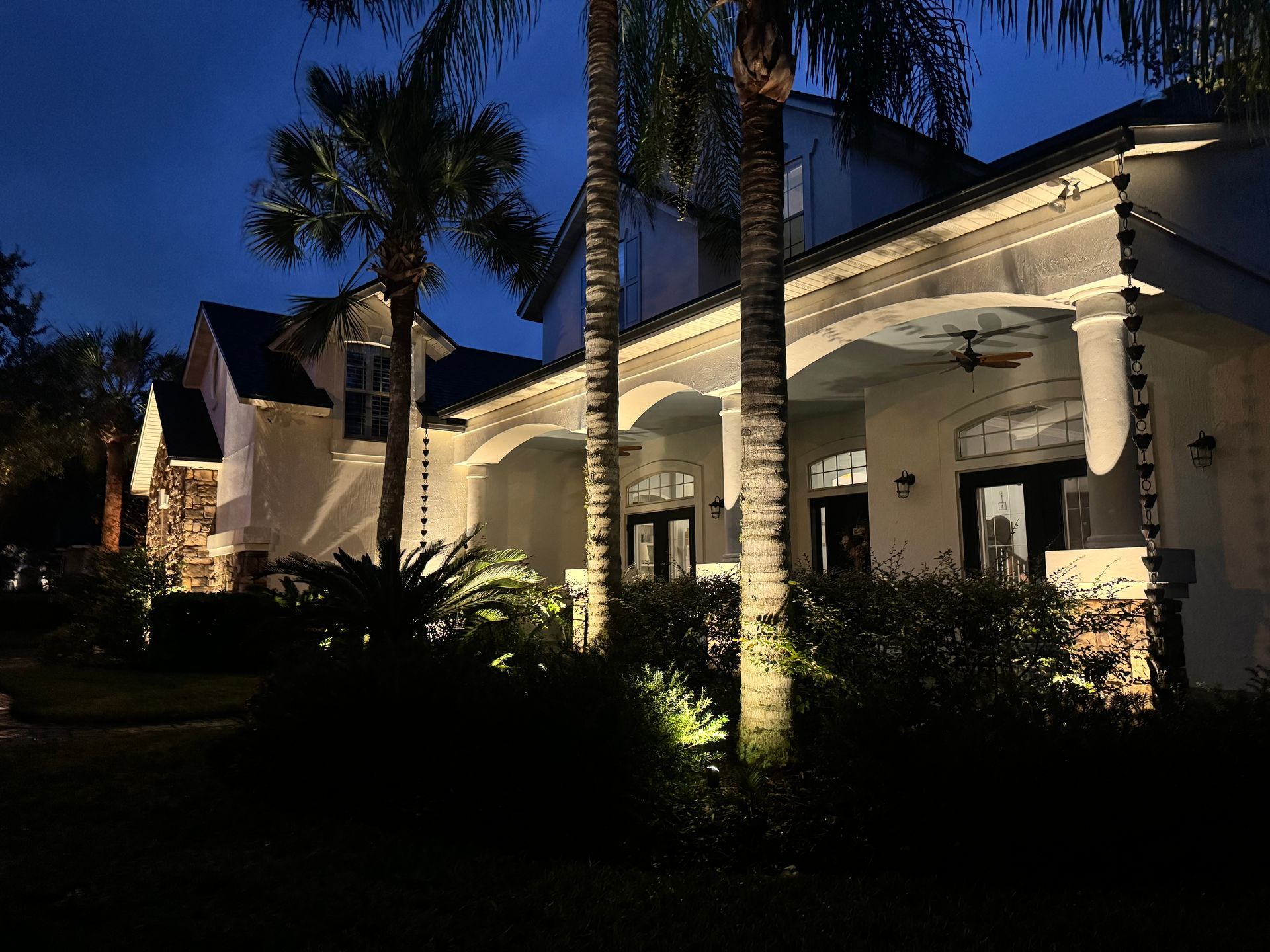
Framing architectural features like archways, gates, or fences with string lights can highlight structural beauty after dark. When paired with uplighting or accent lighting, string lights contribute to a layered look that brings texture and contrast to your overall design. Avoid overcrowding an area with too many light types, though. Clean lines and well-placed fixtures always outperform overly complex setups.
When working on permanent installations, consider weather patterns, foliage growth, and long-term use. Install lights in a way that allows for easy bulb replacement and wire adjustments as your outdoor space evolves. Seasonal decor or holiday lighting should complement your existing setup without requiring full removal or rewiring.
Final Thoughts
Outdoor string lights are a versatile tool for enhancing beauty, function, and atmosphere across a wide range of landscape styles. With proper selection, setup, and safety measures, they can deliver long-lasting performance and aesthetic value. Whether you're planning a casual backyard retreat or a professionally lit landscape, understanding these fundamentals will help you create a lighting design that feels intentional and enduring. If you need help creating a cohesive outdoor lighting plan that includes custom string lighting, Aloha Outdoor Lighting is always here to bring your vision to life.