Low Voltage vs. Solar vs. LED: Choosing the Best System for Florida Yards
Outdoor lighting plays a major role in how a property looks, feels, and functions once the sun goes down. Florida homeowners, in particular, face unique considerations when deciding which lighting system to install. Intense sunlight, frequent rain, high humidity, and the importance of energy efficiency all factor into choosing the right approach. The three most common systems are low voltage, solar, and LED lighting, and each brings different strengths and limitations.
As a professional outdoor lighting company in Jacksonville, Aloha Outdoor Lighting has worked with all three systems in a wide variety of settings. Our experience has shown that no single solution is perfect for every yard, which is why understanding the differences is essential before committing to one.
Understanding Low Voltage Lighting
Low voltage systems are among the most traditional and reliable choices for outdoor illumination. Powered by a transformer that reduces the standard 120-volt household current down to 12 volts, they deliver consistent light output and are compatible with a wide range of fixtures.
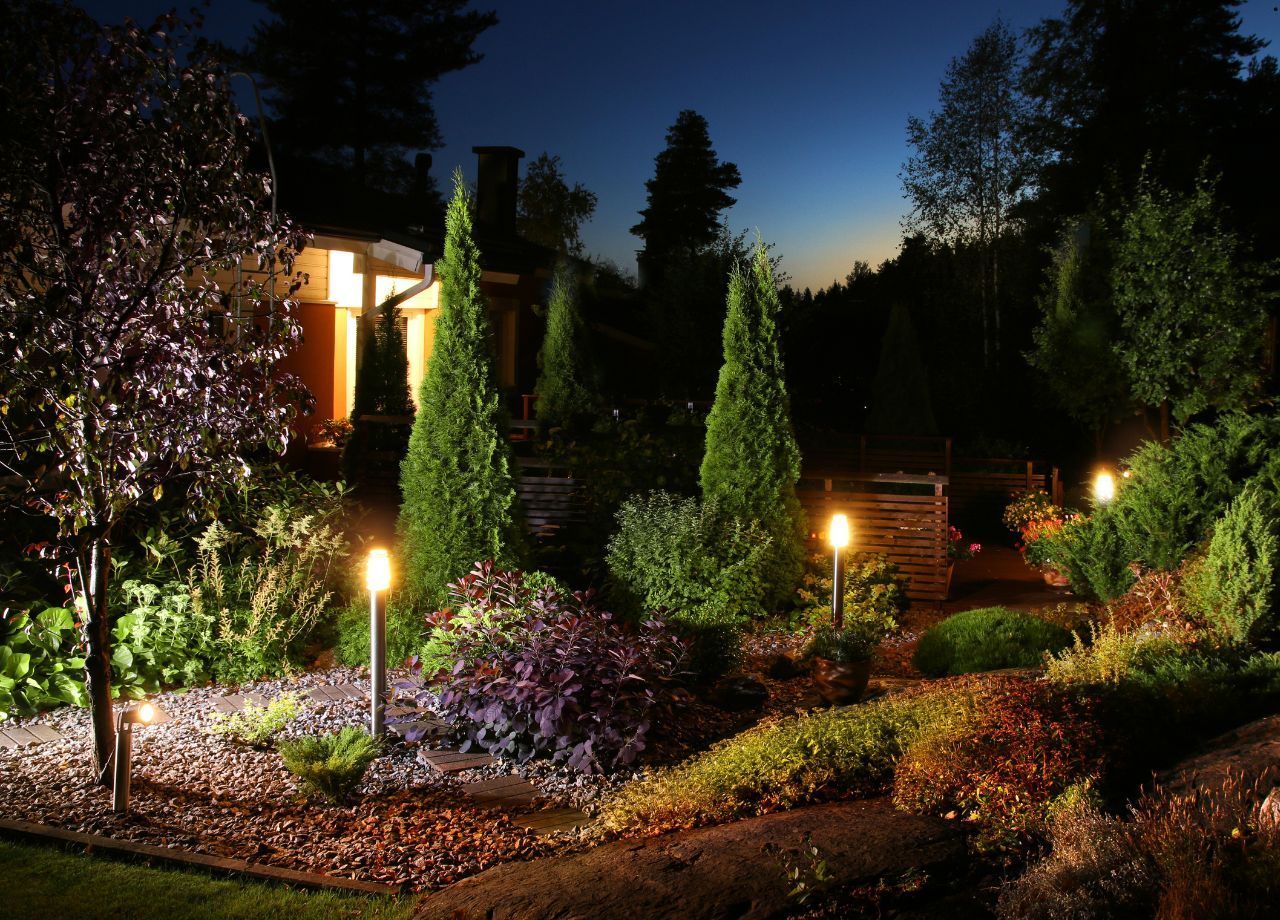
The advantage of low voltage lighting lies in its ability to maintain brightness and consistency regardless of weather or sun exposure. Unlike solar-powered fixtures, which rely on the day’s energy intake, low voltage systems continue operating without disruption. This makes them ideal for homeowners who want dependable lighting for pathways, patios, driveways, and landscape features every night of the year.
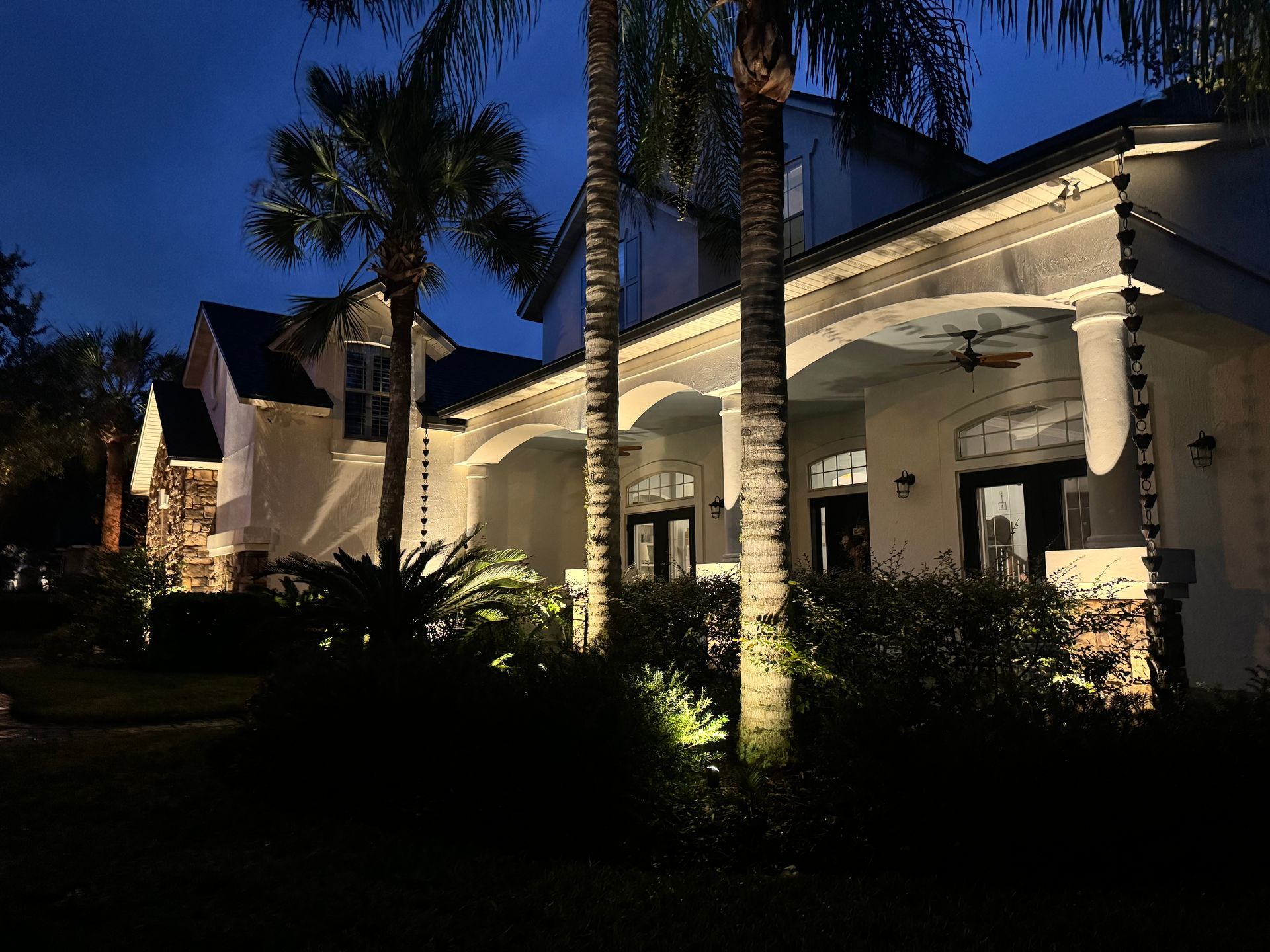
Another strength is flexibility. Professional installers can design circuits that distribute power evenly, preventing dim spots or overloading issues. The fixtures also come in a variety of designs, from subtle path lights to dramatic uplights for palm trees or architectural elements. With proper planning, a low voltage system can create a tailored nighttime atmosphere that elevates the beauty and safety of a property.
Maintenance does exist, though it is relatively straightforward.
The transformer, wiring, and connections need occasional checks to ensure everything is working properly. In Florida’s climate, waterproof connections and corrosion-resistant fixtures are especially important, but a well-installed low voltage system can operate reliably for many years.
The Appeal and Limitations of Solar Lighting
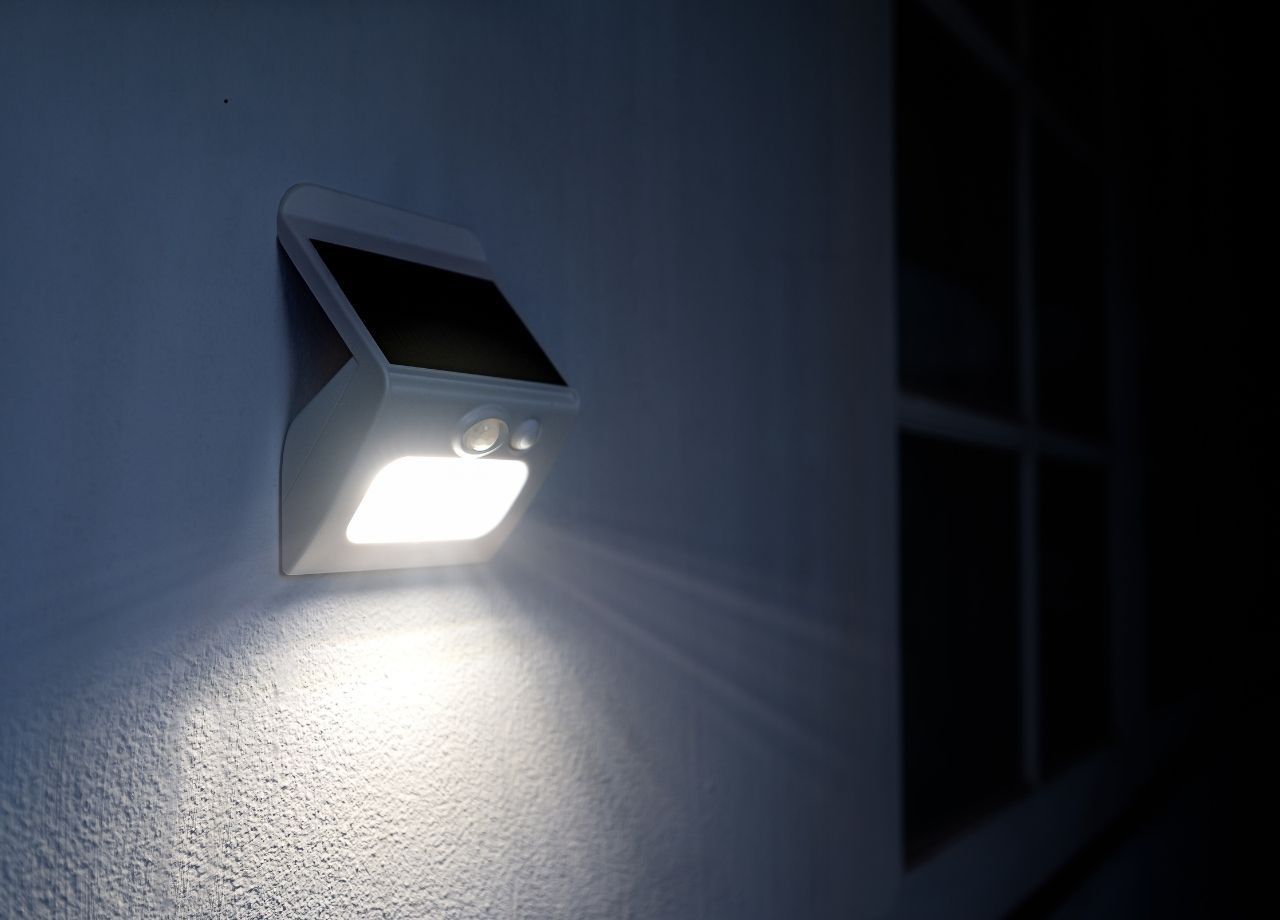
Solar lighting often attracts homeowners because it promises easy installation and low energy costs. A solar fixture comes with its own panel and rechargeable battery, storing sunlight during the day and automatically switching on at night. The absence of wiring makes it especially appealing for DIY projects, and at first glance, it appears to be the most cost-effective option.
In Florida, the abundant sunshine gives solar lights an advantage over many other states. On clear days, panels can capture plenty of energy, and for small areas—like garden accents or pathways—solar lights can serve their purpose. Their self-contained design also eliminates the need for trenching or electrical expertise.
However, solar lighting has significant limitations. Cloudy weather, shaded yards, and even seasonal changes affect their performance. After several rainy days, fixtures may produce dim or inconsistent light. Batteries also degrade over time, usually within two to three years, requiring replacement. Another drawback is brightness: most solar fixtures simply cannot compete with the lumen output of low voltage or LED-powered systems. They often serve better as decorative accents than primary lighting.
For homeowners who want minimal upkeep and reliable illumination, solar often falls short. Still, for those looking for a quick and inexpensive way to add light to small garden spaces, it remains a reasonable option.
Why LED Has Become the Standard
LED lighting has transformed the outdoor lighting industry over the past decade. LEDs, or light-emitting diodes, use far less energy than traditional halogen or incandescent bulbs, yet they produce brighter and clearer light. Their lifespan is unmatched—often lasting 30,000 to 50,000 hours—which means a fixture could run for years before a bulb replacement is even considered.
In Florida yards, LED technology shines because it holds up well against heat and humidity compared to older bulb types. The efficiency translates into significantly lower electricity costs, especially when systems run from dusk until dawn. For eco-conscious homeowners, the reduced energy demand also minimizes environmental impact without sacrificing quality.
LED fixtures are extremely versatile. They come in various color temperatures, from warm white for a cozy ambiance to cooler tones that highlight architectural details. Dimmable options and smart controls add another layer of customization, allowing homeowners to adjust brightness or set timers remotely.
One of the misconceptions is that LED lighting is separate from low voltage. In practice, most modern low voltage outdoor lighting systems now rely on LED fixtures. The transformer provides the power, and the LED technology ensures efficiency and longevity. Together, they combine the benefits of both systems, making this pairing the industry standard for professional installations.
Florida’s Unique Climate Considerations
Deciding between low voltage, solar, and LED cannot be done without factoring in Florida’s environment. Heavy rains, salt air near the coast, and extreme humidity demand fixtures built with durable materials like brass or stainless steel. Plastic solar fixtures often fail quickly in these conditions, cracking under UV exposure or corroding from moisture.
Another consideration is consistency. Homeowners often want outdoor spaces ready for evening gatherings or late-night safety. If a summer thunderstorm rolls in and solar fixtures fail to recharge properly, the result can be dark pathways and an unwelcoming yard. Low voltage and LED systems provide uninterrupted reliability, which is especially valuable during hurricane season when daylight hours may be shorter or skies remain overcast.
Energy consumption also matters. Air conditioning costs already drive up utility bills for Florida households, making efficient lighting a necessity. LED systems, even when run through low voltage transformers, draw a fraction of the power older halogen systems once required. This efficiency allows homeowners to illuminate large yards without fear of skyrocketing energy expenses.
Cost Comparison Over Time
Upfront cost is often the biggest factor in a homeowner’s decision. Solar fixtures win in initial affordability, with many options available at home improvement stores for a fraction of the price of a professionally installed low voltage system. However, the replacement cycle of batteries and fixtures adds up quickly, often surpassing the long-term cost of a more permanent system.
Low voltage systems with LED fixtures require a higher investment at installation, especially when designed by professionals. That investment pays off in durability, reliability, and energy savings. A properly installed LED low voltage system may run efficiently for over a decade with minimal maintenance, while solar fixtures may need full replacement several times during that span.
When viewed over ten years, LED low voltage systems often prove the most cost-effective, despite the higher initial expense. For homeowners planning to stay in their property long-term, this is a critical factor.
Making the Right Choice
Choosing between low voltage, solar, and LED comes down to balancing cost, reliability, performance, and long-term value. Solar lights provide a simple and quick solution but struggle to keep up in brightness and durability. Low voltage systems offer reliable performance and design flexibility, and when paired with LED technology, they deliver efficiency and longevity that make them the preferred choice for most Florida yards.
Homeowners should think about their goals before deciding. If the priority is strong illumination, safety, and a professionally tailored look, low voltage LED systems stand out. If the goal is to add a little decorative light to a small corner of the yard, solar fixtures may be sufficient. The climate, size of the property, and long-term plans for the home all influence the best decision.