How to Pick the Best Outdoor Sconce for Your Home’s Style and Security
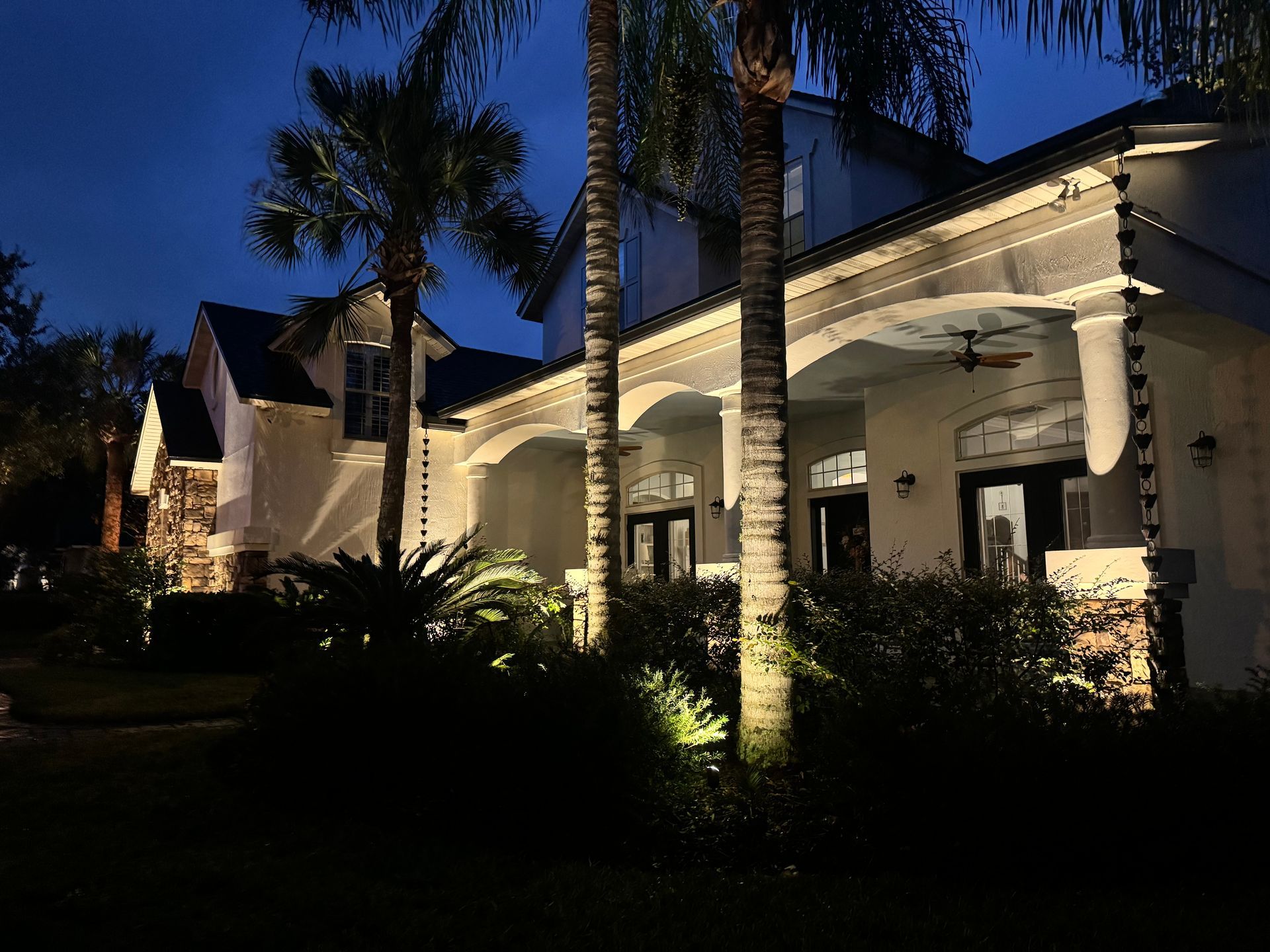
Outdoor sconces do more than light a pathway or highlight a doorway. They help define the personality of your home, provide safe navigation at night, and serve as the first line of security against unwanted activity. Choosing the right fixture involves more than browsing a few styles online. Proper selection requires an understanding of design compatibility, fixture quality, lighting performance, and placement. As experts in outdoor and architectural lighting, Aloha Outdoor Lighting works with homeowners in Jacksonville to create custom solutions that combine curb appeal with reliable functionality, ensuring every home is both beautiful and secure after dark.
Understanding the Purpose of an Outdoor Sconce
A wall-mounted sconce is one of the most versatile fixtures for exterior spaces. It brings both ambient and task lighting, while adding a decorative accent that becomes part of the home’s architecture. Sconces are often placed at entryways, garages, patios, and side doors—anywhere that benefits from extra illumination.
Beyond aesthetics, they serve several important functions. A well-placed sconce near an entry increases visibility, making it easier to locate keys, open locks, or greet guests safely. At the same time, outdoor sconces discourage trespassers by eliminating dark areas that might otherwise conceal movement. A home without proper exterior lighting is more likely to attract unwanted attention, which is why sconces are a critical part of a complete security lighting plan.
Matching Fixture Style with Home Architecture
Outdoor lighting should complement the style of your home rather than compete with it. A carefully chosen sconce enhances the architectural details you already have, creating cohesion that feels intentional and elegant.
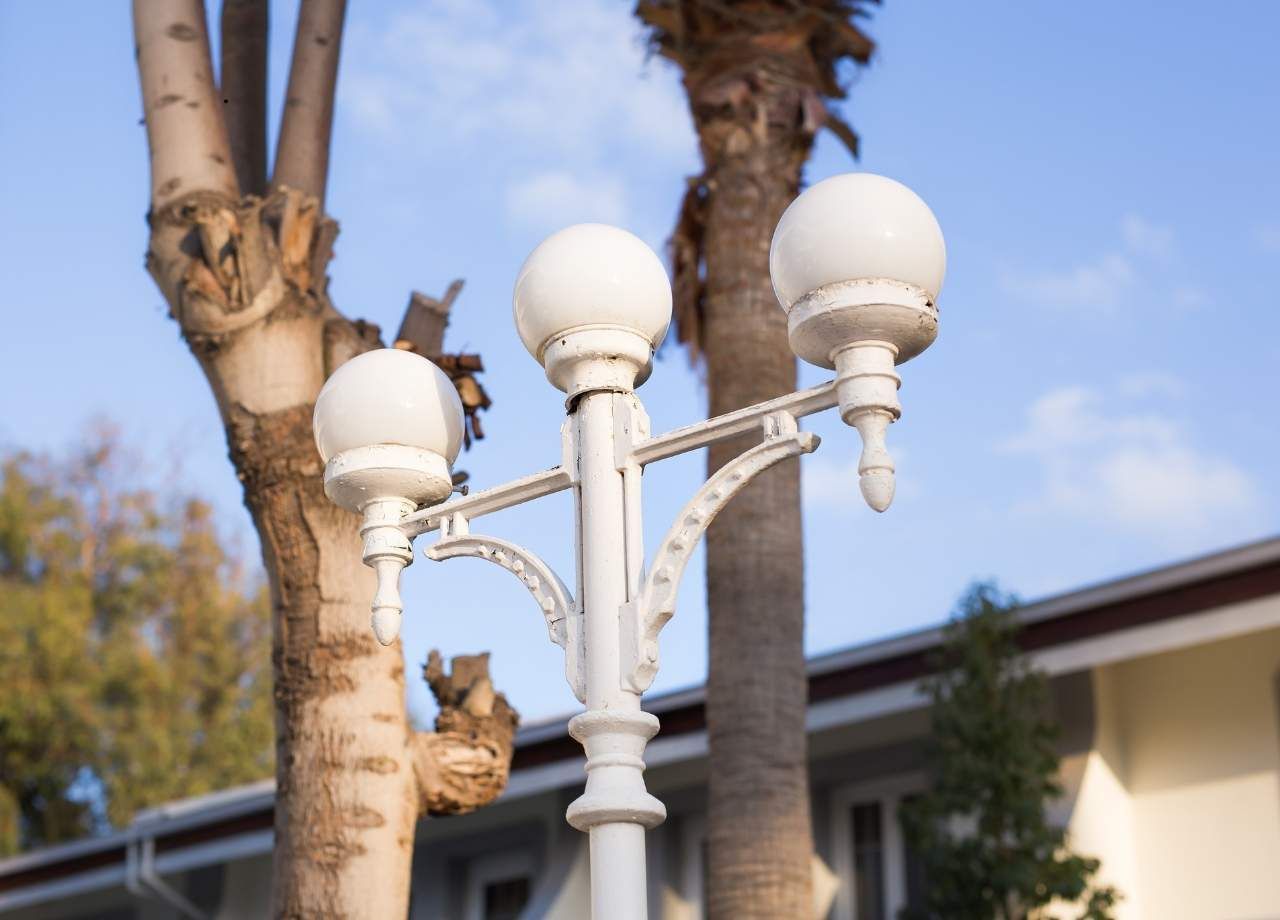
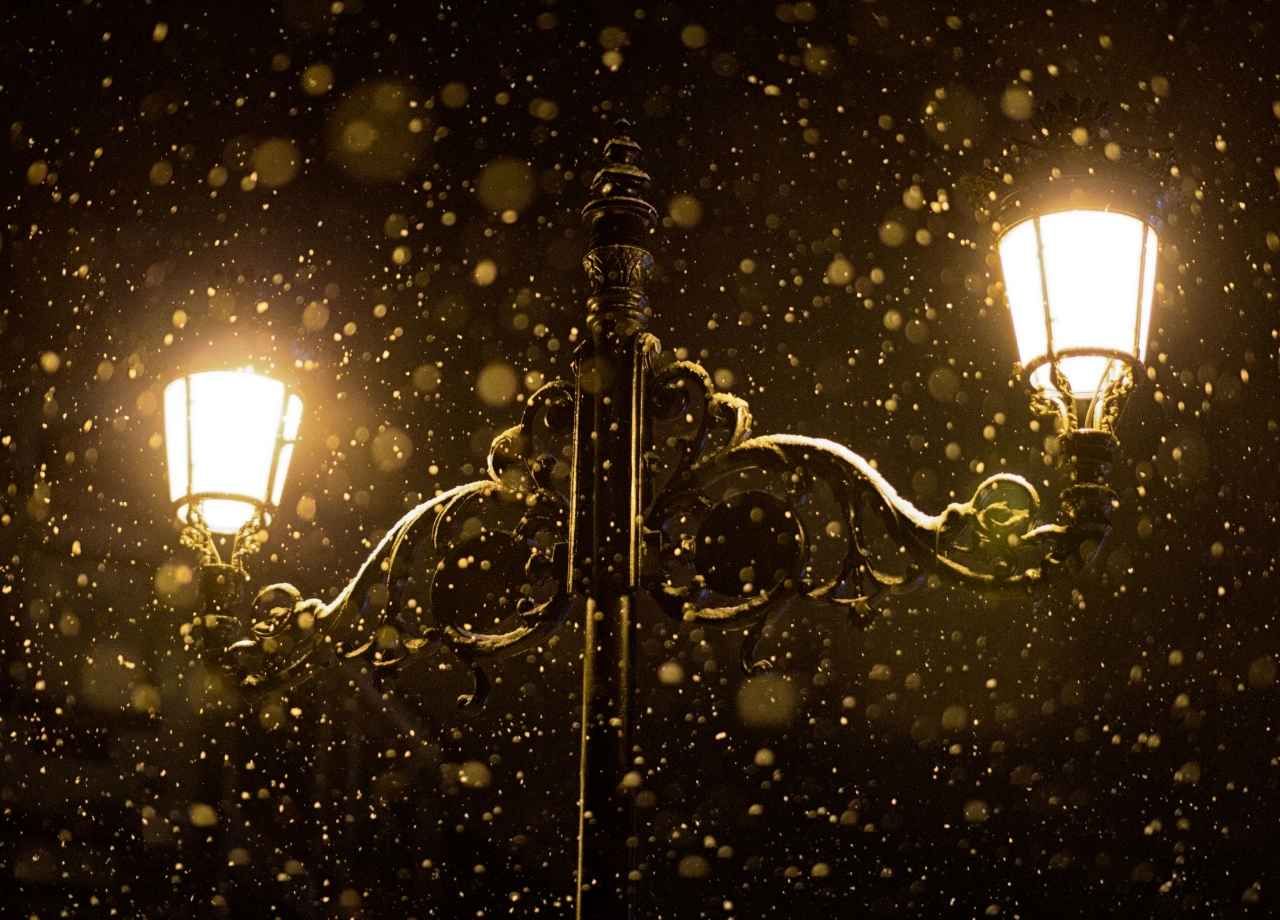
Traditional homes—such as Colonial, Craftsman, or Victorian—pair well with lantern-style sconces that feature detailed metalwork and warm finishes. The design language of these homes benefits from fixtures with glass panels, scrollwork, or oil-rubbed bronze tones.
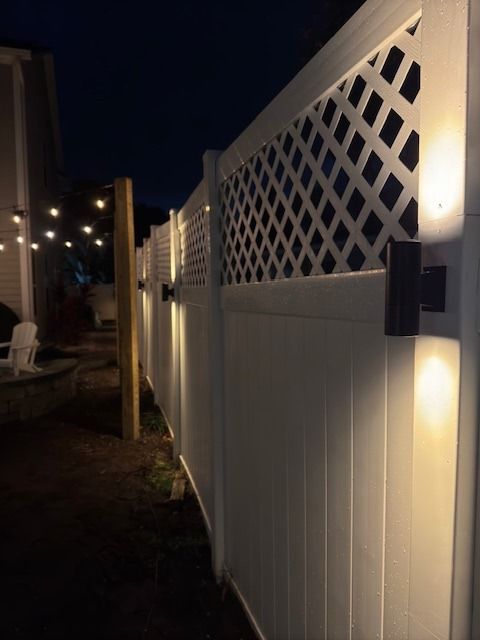
Modern and contemporary homes call for a more streamlined approach. Sleek up-and-down sconces, often in matte black or stainless steel, reinforce clean lines and bold geometry. Frosted or clear glass panels can soften or sharpen the look, depending on the desired effect.
Coastal properties in Jacksonville often lean toward weather-resistant materials with nautical character. Powder-coated aluminum, copper, or brass finishes resist corrosion and salt air, while cage-style sconces or designs with seeded glass reflect a maritime influence.
The key is to study the lines, materials, and era of your home, then select a sconce that feels like it belongs. When the fixture style flows naturally with the existing architecture, the home feels complete.
Balancing Light Output with Function
A common mistake homeowners make is underestimating the brightness required for outdoor sconces. Too dim and the fixture provides little benefit beyond aesthetics; too bright and it causes glare that is unpleasant for both residents and neighbors.
The optimal lumen output depends on placement. Entryway sconces typically require 800 to 1200 lumens each to provide clear visibility. Garage sconces benefit from a similar range, though spacing and driveway size can affect the final choice. For patios or seating areas, lower lumen levels—around 400 to 600—create a comfortable glow without overwhelming the space.
Color temperature also plays an important role. Warm white light (2700K–3000K) produces a welcoming ambiance ideal for front entries and entertaining areas. Neutral or cool white (3500K–5000K) improves visibility and is often used in areas where security is a top concern. Pairing warm lighting at the front of the home with cooler lighting at side or rear entrances creates both beauty and safety.
Choosing Materials That Withstand Weather
Florida’s coastal climate can be unforgiving on outdoor fixtures. Humidity, rain, and salt air accelerate wear on finishes and electrical components. Selecting a sconce built from quality materials ensures that the fixture maintains its appearance and function year after year.
Aluminum is lightweight and often powder-coated for additional durability, making it a cost-effective and reliable choice. Brass and copper naturally resist corrosion and develop a patina over time, which adds character without compromising performance. Stainless steel, when properly maintained, provides a sleek look with high resistance to rust.
Glass should also be considered carefully. Seeded or frosted glass diffuses light for a softer effect, while clear glass maximizes brightness. Tempered or reinforced glass is preferred for areas exposed to strong winds or frequent storms.
Look for fixtures with a UL Wet Location rating, meaning they are designed to handle direct exposure to rain. Anything less may fail prematurely in Jacksonville’s climate.
Placement for Security and Effect
Sconce placement is just as important as style and brightness. A fixture too high or too low loses effectiveness and may even compromise security. As a rule of thumb, sconces should be installed at eye level, typically 66 to 72 inches from the ground. This height casts light evenly while remaining proportionate to the doorway or wall.
For front doors, placing a sconce on each side creates balanced illumination that enhances safety and showcases architectural details. Single-sconce setups work well for narrower entries, positioned slightly above the centerline of the door. Garage sconces should frame the opening or be evenly spaced for consistent lighting.
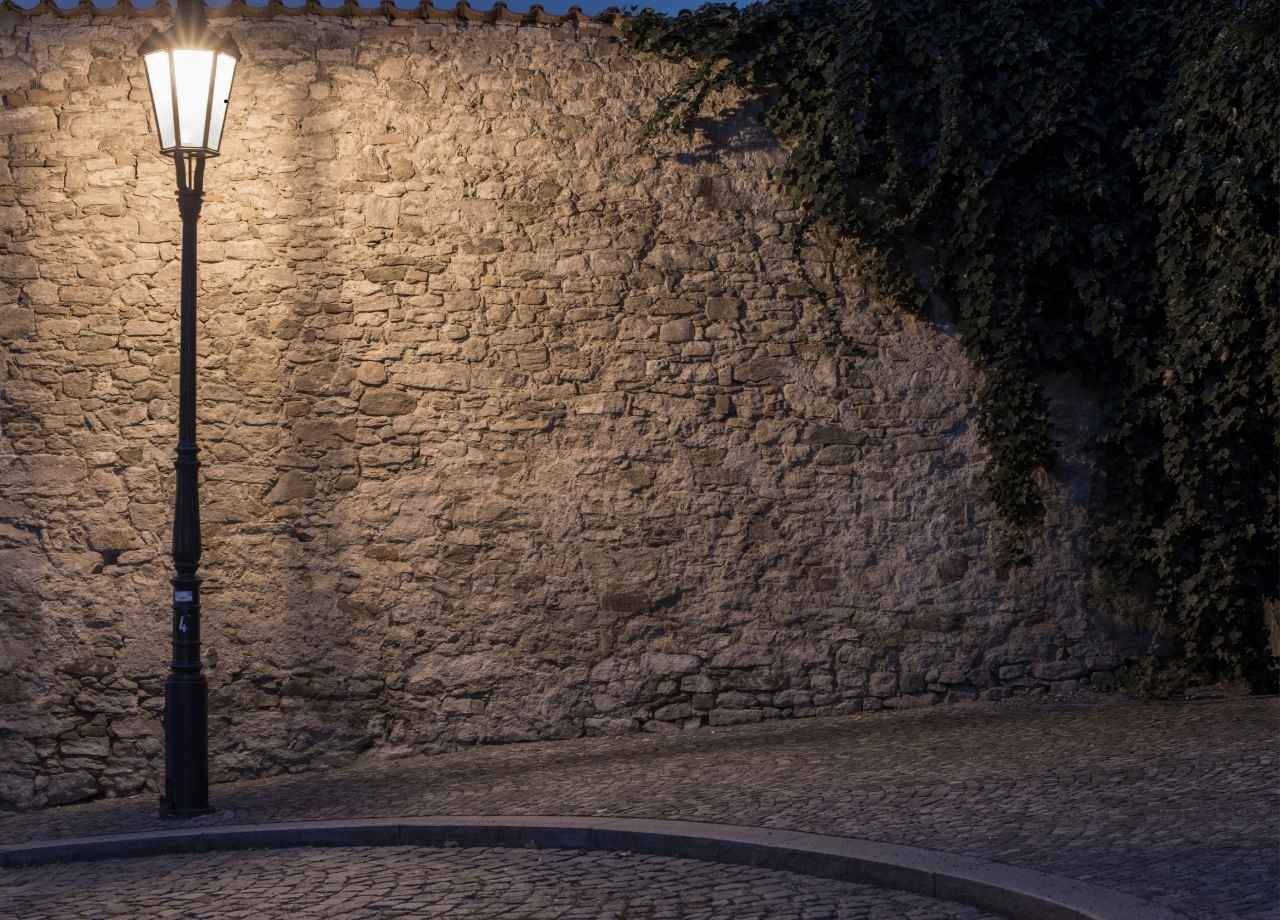
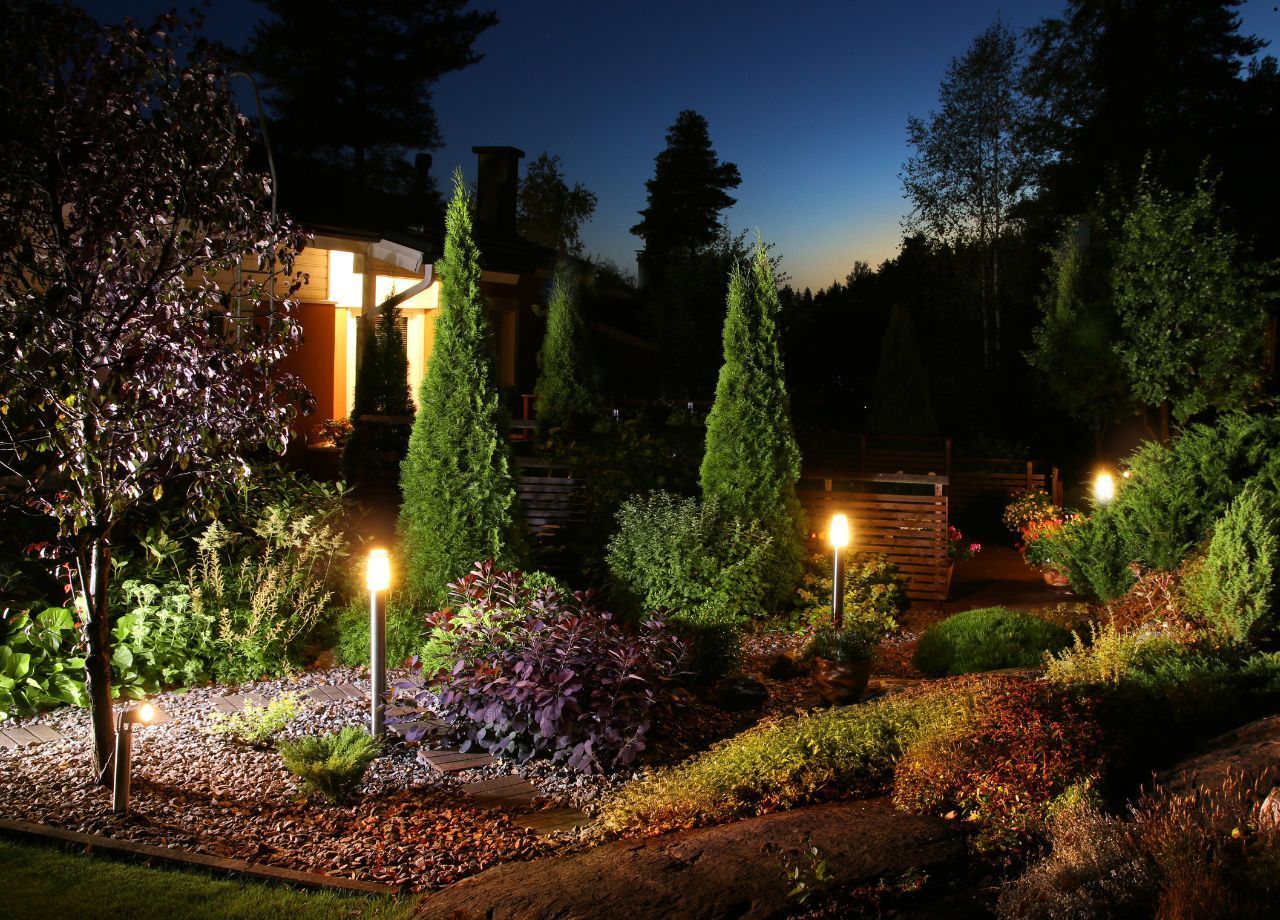
Pathways, patios, and side entrances benefit from directional sconces that minimize shadows. Choosing fixtures with downlighting reduces glare and prevents light pollution, while up-and-down designs highlight vertical surfaces and architectural textures.
Integrating Energy Efficiency and Smart Technology
Modern outdoor sconces are far more advanced than they were a decade ago. Many now include LED technology, which provides long-lasting, energy-efficient performance while reducing maintenance. LEDs maintain consistent brightness and color temperature, unlike incandescent or fluorescent bulbs that degrade over time.
Smart lighting features add another layer of convenience and security. Fixtures equipped with motion sensors automatically brighten when movement is detected, discouraging trespassers and conserving energy when not needed. Photocells, or dusk-to-dawn sensors, ensure lights operate only when natural daylight is low.
Home automation integration allows homeowners to control outdoor sconces from a smartphone or voice assistant, scheduling lights to turn on before arrival or off after a set time. Combining smart features with high-quality LED sconces creates a reliable and efficient lighting system that adapts to any situation.
Bringing Style and Security Together
The best outdoor sconces strike a balance between curb appeal and reliable illumination. A fixture should enhance the home’s personality, withstand Florida’s environment, and provide the level of brightness needed for comfort and safety. With so many designs and technologies available, the process can feel overwhelming, but taking the time to evaluate style, function, materials, and placement ensures a smart investment.
Homeowners who consider outdoor sconces as both design features and functional tools gain more than just attractive fixtures. They gain confidence knowing their home looks welcoming, navigable, and secure after the sun sets.