Flush Mount Outdoor Wall Lights: Smart Design for Sleek Outdoor Spaces
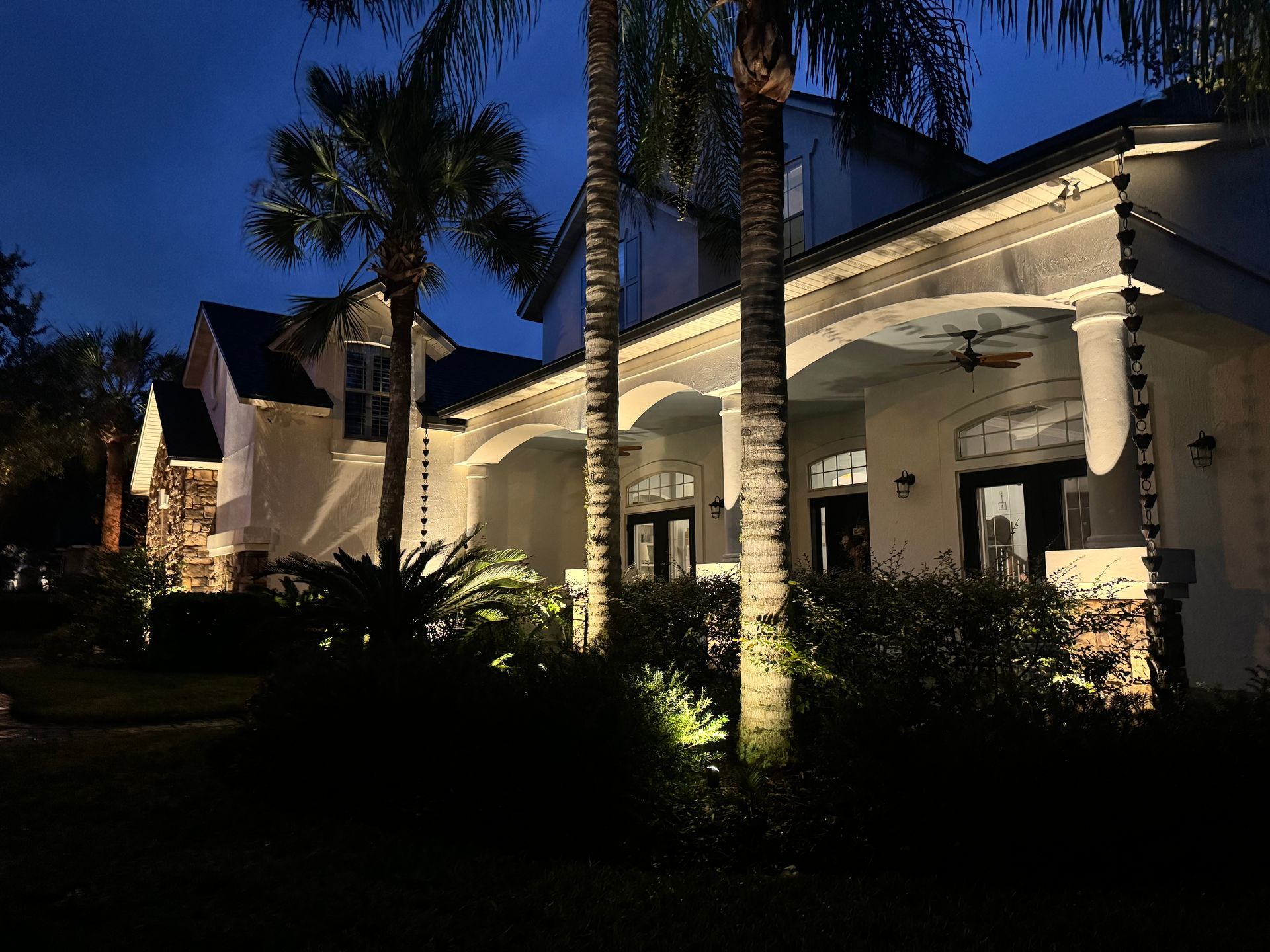
Flush mount outdoor wall lights offer a clean, low-profile design that blends functionality with architectural simplicity. They are ideal for patios, entryways, walkways, and outdoor walls where subtle illumination and spatial efficiency matter. These fixtures provide dependable light without protruding far from the wall, making them perfect for areas with limited clearance or where minimalism enhances the aesthetic. At Aloha Outdoor Lighting, our team helps homeowners across Jacksonville design tailored lighting systems that include flush mount options when space and style call for a refined lighting profile.
What Is a Flush Mount Outdoor Wall Light?
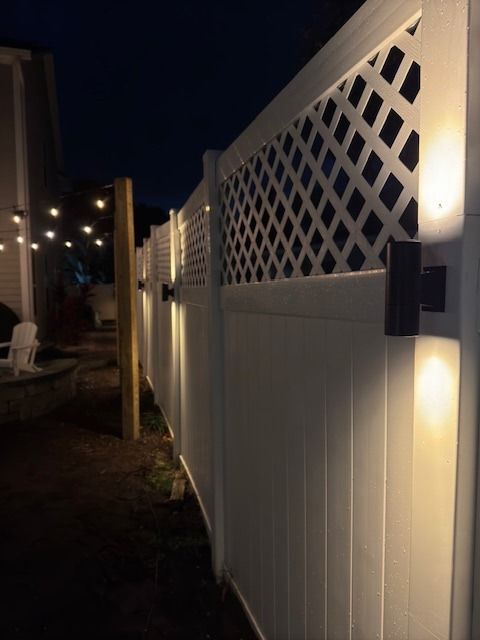
A flush mount outdoor wall light is a fixture installed directly against an exterior wall without any gap or extension. Unlike lantern-style sconces or pendant lights, flush mount lights sit nearly flat, hugging the wall. This makes them a smart solution for contemporary homes, narrow outdoor corridors, or homes with clean lines and modern materials.
Most models feature integrated LED or low-voltage capabilities, supporting energy efficiency while maintaining a bright and even distribution of light. Materials like powder-coated aluminum, stainless steel, and durable polycarbonate lenses ensure that flush mount lights hold up in harsh weather and resist corrosion over time.
Why Flush Mounts Work Well in Outdoor Lighting Plans
Flush mount fixtures are often overlooked in outdoor lighting plans, but they’re one of the most practical tools when square footage is tight or design simplicity is key. Because they sit so close to the wall, they avoid interfering with movement or sight lines. This becomes especially useful near doorways, gates, or stairwells.
They’re also excellent for creating a soft glow rather than dramatic shadows, which works well when you want consistent illumination across walkways, perimeter walls, or under eaves. Their even throw of light reduces harsh contrasts that sometimes occur with traditional sconces or landscape uplights.
Flush mounts are also typically easier to maintain. Without complex shapes or protruding arms, they’re less prone to collecting debris, insects, or water, making them a lower-maintenance solution over time.
Design Considerations Before Choosing Flush Mounts
The decision to install flush mount wall lighting should begin with an evaluation of the architecture. Look at overhangs, surface textures, existing electrical access, and wall dimensions. A well-chosen flush fixture should align with the scale of the wall and blend with nearby materials.
Color temperature matters, too. Warmer light (around 2700K to 3000K) helps create a more inviting atmosphere for residential spaces. Cooler temperatures (4000K and above) are best reserved for security applications or commercial properties.
Lumens and beam angle are also important. Flush mounts are generally better suited for wide, soft coverage than tight, focused beams. So if your goal is dramatic accent lighting or highlighting architectural features, you may need to combine flush mounts with other fixtures like spotlights or wall grazers.
The finish of the fixture can either make it pop or blend in. Matte black and bronze finishes are often used to match modern facades, while brushed nickel or stainless steel might complement more contemporary or coastal homes. Keep in mind that finishes should be chosen not just for appearance but also for how they withstand UV exposure and salt air.
Installation Challenges and Wiring Tips
Installing flush mount fixtures on outdoor walls isn’t complicated, but proper preparation ensures long-term reliability. Moisture control is a top priority. All outdoor-rated flush mounts should include gaskets or seals to keep water from entering the electrical housing. Use silicone sealant around the base of the fixture if needed, especially on textured surfaces like stucco or brick.
If you're working with low-voltage systems, transformers must be correctly sized and weatherproofed. Cable runs should avoid pinch points and be laid in a way that avoids accidental cuts during landscaping or exterior remodeling.
Mounting height can affect not only light distribution but also glare. A good rule of thumb is to place flush mount lights around five to six feet above the ground for walkways or patios, depending on the height of nearby structures. For taller applications, you may need to use more powerful LEDs or double up on fixtures.
Balancing Flush Mounts With Other Fixtures
Flush mount lights rarely work as standalone solutions unless you're lighting a very small area. Their soft, widespread beam is excellent for ambient light, but they lack the dramatic focus needed to highlight landscape features or create depth.
A strong lighting plan will often pair flush mounts with pathway lights, downlights, or directional spots. Flush wall lights can provide general coverage, while the other fixtures create layers and accents. This approach improves both functionality and curb appeal.
Smart lighting systems also integrate well with flush mounts. Many models now support dimming features, motion sensors, and smart home integration, allowing for schedules, scene settings, and energy-saving automation.
Trends and Innovations in Flush Outdoor Lighting
Today's flush mount outdoor lights are pushing forward in both style and performance. Thin-profile designs with edge-lit LED panels offer a sleeker appearance while improving efficiency. Some models include adjustable color temperature or interchangeable trim rings to match seasonal design updates.
Solar-powered flush lights are also gaining popularity, especially for fence posts or remote wall sections where hardwiring is difficult. While their output tends to be lower, they work well for low-use areas like side yards or utility spaces.
Another development is the rise of architectural-grade finishes and modular systems. Designers are moving away from overly decorative forms in favor of refined, understated elements that coordinate across multiple zones. This is where flush mounts excel: they deliver reliable performance without drawing attention away from other design elements.
Final Thoughts
Flush mount outdoor wall lights offer more than just compact convenience. They provide a versatile, low-profile option that fits seamlessly into modern lighting strategies. With the right planning, they help shape a cohesive outdoor environment that prioritizes both style and safety. For homeowners in Jacksonville looking to design or upgrade their exterior lighting, the Aloha Outdoor Lighting team brings deep experience with these fixtures and can recommend the best placements, materials, and configurations for your unique home.